Kicking off with Distributed Energy Resources, this concept is transforming the way we generate and consume energy. These resources, like solar panels and wind turbines, are not just modern trends; they play a crucial role in creating a sustainable energy future. With their ability to decentralize power generation, they help us move away from centralized fossil fuel dependence.
As we delve deeper, you’ll discover how these energy solutions enhance resilience, improve reliability, and even boost economic benefits for both consumers and utility companies. From minimizing greenhouse gas emissions to fostering community involvement, distributed energy resources are at the forefront of driving significant changes in our energy landscape.
Introduction to Distributed Energy Resources
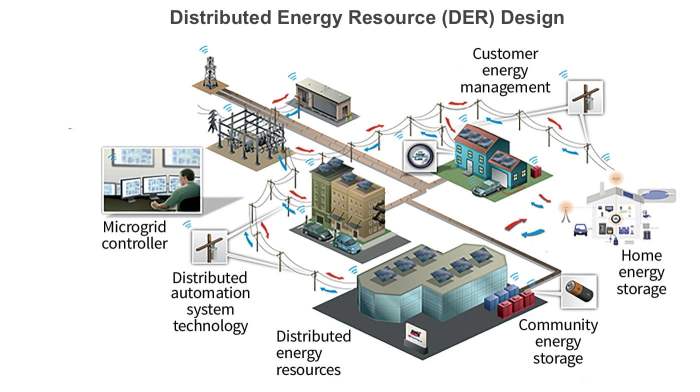
Distributed Energy Resources (DER) are small-scale energy generation or storage technologies that are located close to the point of use, rather than centralized generation facilities. They play a crucial role in modern energy systems, enabling a transition towards more sustainable and resilient energy solutions. As energy demands grow and environmental concerns rise, the significance of DER in reducing carbon footprints and promoting energy independence has become increasingly apparent.DER encompasses a variety of technologies, including solar panels, wind turbines, and energy storage systems like batteries.
These resources can be installed at residential, commercial, or industrial sites, enabling users to generate their own power or store energy for later use. The integration of these technologies allows for a more flexible and decentralized energy system that enhances grid reliability and reduces transmission losses.
Types of Distributed Energy Resources
Understanding the types of DER is essential for recognizing their benefits and applications. Each type offers unique advantages that contribute to overall energy efficiency and sustainability.
- Solar Panels: Photovoltaic (PV) systems convert sunlight directly into electricity, providing a renewable energy source that can be harnessed on rooftops or in solar farms. This technology has seen rapid advancements and reduced costs, making it accessible to a wide range of users.
- Wind Turbines: These harness wind energy to generate electricity. Distributed wind systems can be deployed in rural or community settings and can be used in conjunction with other renewable sources to provide a stable energy supply.
- Energy Storage Systems: Technologies such as lithium-ion batteries store excess energy for use during peak demand times or when generation is low. Energy storage improves grid stability and allows for better management of renewable energy variability.
- Combined Heat and Power (CHP): CHP systems generate electricity and useful thermal energy from a single fuel source, enhancing energy efficiency. These systems are often used in industrial applications and large buildings.
The role of DER in energy transition and sustainability efforts cannot be overstated. They enable a shift from fossil fuels to renewable energy sources, helping to mitigate climate change impacts. By decentralizing energy production, DER also empowers consumers, allowing them to take control of their energy use and costs, leading to a more engaged and informed populace regarding energy consumption.
“Distributed Energy Resources are key players in the transition to a sustainable energy future, providing local solutions to global challenges.”
Benefits of Distributed Energy Resources
Distributed Energy Resources (DER) are revolutionizing the way energy is produced, distributed, and consumed. These resources, which include solar panels, wind turbines, energy storage systems, and other localized generation technologies, offer a multitude of advantages that enhance the modern energy landscape. Their integration into the grid not only supports environmental goals but also improves energy security and economic efficiency.
Advantages of Integrating Distributed Energy Resources
The integration of DER into the energy grid provides several key advantages that contribute to a more sustainable and efficient energy system. These benefits include:
- Reduced Transmission Losses: By generating energy closer to where it is consumed, DER minimizes the distance electricity must travel, thereby reducing transmission losses and improving overall efficiency.
- Enhanced Grid Stability: Distributed resources can be quickly deployed and adjusted in response to demand fluctuations, helping to maintain grid stability and prevent outages.
- Environmental Benefits: Many DER technologies are based on renewable resources, contributing to lower greenhouse gas emissions and promoting cleaner air.
Energy Resilience and Reliability
DER significantly improves the resilience and reliability of the energy grid. By decentralizing energy generation, these resources play a critical role in ensuring a stable supply of electricity during disruptions.
- Local Generation: DER allows for local energy generation, which can continue to provide power even when the main grid is down. This is especially vital during natural disasters or extreme weather events.
- Microgrids: DER enables the creation of microgrids—localized grids that can operate independently—enhancing community resilience and providing backup power during outages.
- Demand Response: DER can facilitate demand response initiatives that help balance supply and demand dynamically, enhancing grid reliability.
Economic Benefits for Consumers and Utility Companies
The economic impact of DER is substantial for both consumers and utility companies, leading to cost savings and improved financial performance.
- Lower Energy Costs: Consumers can reduce their electricity bills by generating their own power with DER technologies such as solar panels, thereby decreasing reliance on grid-supplied electricity.
- Incentives and Rebates: Many governments offer financial incentives for adopting DER, making it more affordable for consumers to invest in renewable energy technologies.
- Operational Savings for Utilities: Utilities can benefit from reduced infrastructure costs as DER lessens the need for extensive transmission and distribution networks.
“The strategic deployment of distributed energy resources can transform local energy systems into resilient, sustainable, and economically viable networks.”
Challenges and Barriers
Deploying Distributed Energy Resources (DER) presents a variety of challenges and barriers that stakeholders must navigate. While the benefits of DER are significant, understanding these obstacles is critical for effective implementation and broader adoption. This section Artikels the technical and regulatory challenges, common misconceptions hindering adoption, and financial barriers that may slow investment in DER.
Technical and Regulatory Challenges
A range of technical and regulatory challenges can hinder the effective deployment of distributed energy resources. These include:
Integration with Existing Infrastructure
Many current energy systems were not designed to handle the influx of decentralized energy sources. Integrating DER with existing grids can require significant upgrades and changes to infrastructure, which may be costly and time-consuming.
Interconnection Standards
The lack of standardized interconnection requirements can complicate the process for DER developers. Variability across regions in terms of technical requirements leads to inefficiencies and delays.
Grid Management
Managing a grid with a high penetration of DERs poses challenges related to stability and reliability. Utilities must adapt their operational strategies to accommodate fluctuations in energy production and consumption.
Regulatory Frameworks
Inconsistent regulatory policies across different states or countries can create confusion and barriers for DER deployment. Clear, supportive policies are necessary to encourage investment and innovation in this area.
Common Misconceptions About Distributed Energy Resources
Several prevalent misconceptions about distributed energy resources impact their adoption negatively. Addressing these misconceptions is essential for fostering a more accurate understanding of DER benefits and capabilities:
DER Are Only for Eco-conscious Consumers
While many DER technologies, like solar panels, appeal to environmentally focused individuals, they also provide economic benefits that can attract a broader demographic, including businesses looking to reduce energy costs.
DER Are Not Reliable
Many believe that DER systems, especially renewables, are less reliable than traditional energy sources. However, advancements in energy storage technologies and smart grid management have significantly improved reliability.
High Initial Costs
While there may be an upfront investment, the long-term savings and incentives available for DER installation often offset these costs. Financial models increasingly show that DER can provide a better return on investment over time.
Complex Installation Processes
Some view DER installation as overly complicated and time-consuming. However, many providers now offer streamlined services that simplify the process, making it more accessible for consumers.
Financial Barriers to Investment in Distributed Energy Resources
Financial barriers can significantly impede investments in distributed energy resources. Understanding these difficulties is crucial for stakeholders aiming to promote DER adoption:
High Upfront Costs
The initial investment required for technologies like solar panels or battery storage can be prohibitive for many consumers and businesses. Although costs have decreased, the financial burden remains a significant consideration.
Access to Financing
Limited access to favorable financing options can deter potential investors. Innovative financing solutions, such as power purchase agreements (PPAs) or community solar projects, may help overcome these barriers.
Incentive Uncertainty
Fluctuations in government incentives and rebates can create an unpredictable financial landscape, making potential investors hesitant. A stable policy environment is necessary to encourage long-term investments.
Market Competition
The traditional energy market often has established players that may resist the rapid adoption of DER to protect their interests. This competitive pressure can limit funding opportunities for new DER projects.
Understanding these challenges and misconceptions is vital for ensuring the successful deployment and adoption of distributed energy resources.
Case Studies of Successful Implementation
Successful implementation of Distributed Energy Resources (DER) has occurred in various regions around the globe, showcasing innovative approaches to energy generation and consumption. These case studies provide valuable insights into how communities are embracing renewable energy technologies, improving energy reliability, and reducing greenhouse gas emissions.Several cities and regions have effectively integrated DER into their energy systems, leading to enhanced sustainability and resilience.
Notable examples include:
Examples of Successful Regions and Cities
The following regions have successfully implemented DER systems, demonstrating the effectiveness of decentralized energy solutions:
- San Diego, California: San Diego has adopted a comprehensive strategy that includes solar energy, energy storage, and electric vehicle infrastructure. The city has set ambitious goals to become 100% renewable by 2035, resulting in a significant increase in local solar installations.
- Brooklyn, New York: The Brooklyn Microgrid project allows residents to generate and sell excess solar energy to their neighbors through blockchain technology, promoting energy independence and community engagement.
- Freiburg, Germany: Known as the “Solar City,” Freiburg has successfully integrated various forms of renewable energy, including solar panels on rooftops and community solar farms, to meet a large portion of its energy needs sustainably.
- Melbourne, Australia: Melbourne’s “Solar Homes” program encourages residential solar panel installations, offering rebates and incentives. This initiative has resulted in thousands of new solar installations and a notable decrease in grid reliance.
Performance Metrics of Distributed Energy Resources
A comparative analysis of performance metrics from different distributed energy resources provides insights into their effectiveness across various settings. The following table Artikels key performance indicators such as capacity, generation, and grid impact for selected DER projects.
| Region/City | Type of DER | Installed Capacity (MW) | Annual Energy Generation (MWh) | Grid Impact (Reduction in Peak Demand) |
|---|---|---|---|---|
| San Diego, CA | Solar + Storage | 350 | 600,000 | 20% reduction |
| Brooklyn, NY | Solar Microgrid | 1.5 | 2,000 | 15% reduction |
| Freiburg, Germany | Solar PV | 100 | 120,000 | 10% reduction |
| Melbourne, Australia | Residential Solar | 600 | 900,000 | 30% reduction |
Lessons Learned from Case Studies
Analyzing successful implementations reveals several key lessons that can enhance future DER projects. These insights include:
- Community Engagement: Active participation from the community fosters acceptance and support for DER projects, leading to greater adoption and success.
- Regulatory Support: Supportive policies and incentives are crucial for encouraging investments in DER, making it financially viable for both businesses and homeowners.
- Technological Integration: Combining various DER technologies, such as solar, storage, and demand response, creates a resilient energy system that can adapt to changing demands.
- Data-Driven Decision Making: Utilizing data analytics to assess performance and optimize operations can lead to improved efficiency and effectiveness of DER systems.
“Integrating distributed energy resources not only supports sustainability goals but also empowers communities to take control of their energy futures.”
Future Trends and Developments
The future of distributed energy resources (DER) is marked by exciting technological advancements and evolving policies that promise to reshape the energy landscape. As the demand for cleaner and more efficient energy solutions grows, innovations in various fields will play a crucial role in bolstering the capabilities and effectiveness of DER. This section explores these emerging trends, focusing on the influence of technology and policy on the evolution of distributed energy systems.
Emerging Technologies Enhancing Distributed Energy Resources
A variety of emerging technologies are set to enhance the capabilities of distributed energy resources. These innovations are expected to improve energy efficiency, reliability, and integration into existing energy systems.
- Energy Storage Solutions: Advanced battery technologies, such as lithium-sulfur and solid-state batteries, are being developed to offer higher energy density and safety. These improvements allow for better storage of renewable energy, making it available during peak demand times.
- Microgrid Technologies: The development of microgrids, which can operate independently or in conjunction with the main grid, enhances resilience and allows for localized energy management. This flexibility supports the integration of renewable energy sources at a community level.
- Blockchain for Energy Transactions: Blockchain technology is being explored to facilitate peer-to-peer energy trading, enabling consumers to buy and sell excess energy directly. This decentralizes energy markets and enhances consumer engagement.
Artificial Intelligence and Smart Grids in Optimizing Distributed Energy Resources
Artificial intelligence (AI) and smart grid technologies are revolutionizing the management of distributed energy resources by enabling better decision-making and operational efficiency.
- Predictive Analytics: AI algorithms analyze vast amounts of data from energy consumption patterns, weather forecasts, and grid conditions to predict energy demand and supply fluctuations. This foresight allows operators to optimize energy distribution accordingly.
- Automated Demand Response: Smart grids equipped with AI can automate demand response mechanisms, adjusting energy usage during peak times to optimize grid stability and reduce costs for consumers. This active management helps balance supply and demand effectively.
- Enhanced Grid Security: AI plays a crucial role in cybersecurity for smart grids, detecting anomalies and potential threats in real-time, thereby safeguarding critical infrastructure against cyberattacks.
Policy Trends Influencing the Future of Distributed Energy Resources
The landscape of distributed energy resources is significantly shaped by various policy trends aimed at promoting renewable energy adoption and enhancing grid resilience.
- Incentives for Renewable Energy: Governments worldwide are implementing subsidies and tax incentives to encourage the deployment of renewable energy technologies. These policies reduce the financial barriers for consumers and businesses to invest in DER systems.
- Net Metering Policies: Many regions are adopting net metering policies that allow consumers to sell excess energy back to the grid. This promotes the use of residential solar panels and increases the attractiveness of DER investments.
- Decarbonization Goals: With global commitment to reduce carbon emissions, many governments are setting ambitious targets for carbon neutrality. These commitments often lead to increased funding for DER projects and the development of supportive regulatory frameworks.
Community Engagement and Stakeholder Involvement
Successful adoption of distributed energy resources (DER) hinges significantly on effective community engagement and the involvement of local stakeholders. Engaging communities creates a platform for open dialogue, fosters trust, and encourages a sense of ownership among residents. This participation not only helps in understanding local needs but also paves the way for tailored solutions that resonate with specific community dynamics.Building strong relationships with stakeholders is crucial in the planning and implementation phases of DER projects.
It’s essential to ensure that the voices of consumers, utilities, policymakers, and grassroots organizations are heard and integrated into decision-making processes. Such collaborative efforts can lead to more efficient, effective, and sustainable energy solutions.
Strategies for Involving Local Stakeholders
Incorporating local stakeholders into the planning and implementation of distributed energy resources can be achieved through various strategies that prioritize inclusivity and active participation. The following methods can be employed to foster involvement:
- Workshops and Community Meetings: Organizing regular workshops and meetings allows stakeholders to voice their concerns, share ideas, and stay informed about project developments. These gatherings create a forum for interactive discussions that can lead to valuable insights.
- Surveys and Feedback Forms: Distributing surveys to gather opinions on energy needs and desired outcomes enables stakeholders to express their views directly. Feedback forms after community events can also help in refining future engagements.
- Partnerships with Local Organizations: Collaborating with community-based organizations or local NGOs can enhance outreach efforts and ensure diverse representation. These organizations often have established trust within the community and can facilitate dialogue.
- Educational Campaigns: Implementing educational campaigns about the benefits and functionalities of DER can empower stakeholders with knowledge, leading to informed discussions and decisions. This could include informational pamphlets, webinars, or social media outreach.
- Incentives for Participation: Offering incentives such as rebates, discounts, or gifts for participation in engagement activities can motivate more community members to get involved. Incentives can enhance turnout and show appreciation for stakeholder contributions.
Best Practices for Fostering Collaboration
Establishing a collaborative environment among utilities, consumers, and policymakers is essential for the successful integration of distributed energy resources. The following best practices can serve as a guideline for fostering effective collaboration:
- Transparent Communication: Maintaining transparency in communication helps build trust among all parties involved. Regular updates on project progress and setbacks can prevent misunderstandings and keep stakeholders aligned.
- Inclusive Decision-Making: Ensuring that all voices are included in the decision-making process allows for diverse perspectives and solutions. This can lead to more universally accepted outcomes and reduce potential conflicts.
- Shared Goals and Visions: Establishing common goals and a unified vision for energy development can align efforts and resources. Collaborative planning sessions can help stakeholders articulate shared objectives.
- Conflict Resolution Mechanisms: Implementing processes to address conflicts can minimize disruptions and promote a cooperative atmosphere. Clear guidelines for resolving disputes can reassure stakeholders of fair treatment.
- Ongoing Engagement Beyond Implementation: Encouraging continuous dialogue even after project completion helps maintain relationships and adapt to new challenges. This ongoing engagement can lead to future collaboration opportunities and community resilience.
Role of Distributed Energy Resources in Climate Change Mitigation
Distributed Energy Resources (DER) play a pivotal role in the ongoing efforts to combat climate change. By decentralizing energy production and utilizing renewable sources, DER contributes significantly to reducing greenhouse gas emissions. The transition to clean energy solutions is essential for mitigating the adverse effects of climate change, and DERs are at the heart of this transformation.The integration of DERs, such as solar panels, wind turbines, and energy storage systems, directly diminishes reliance on fossil fuels, which are the primary contributors to greenhouse gas emissions.
The deployment of these technologies allows communities to generate their own electricity, leading to a reduction in the carbon footprint associated with energy production. As DER systems become more prevalent, their cumulative effect can significantly lower overall greenhouse gas outputs.
Impact of Renewable Distributed Energy Sources on Air Quality and Environmental Health
The benefits of renewable distributed energy sources extend beyond just reducing greenhouse gas emissions; they also have a substantial positive impact on air quality and environmental health. Traditional energy sources like coal and natural gas release various pollutants, including sulfur dioxide (SO2), nitrogen oxides (NOx), and particulate matter (PM), which can deteriorate air quality and pose serious health risks.The shift to DERs results in a marked decrease in these harmful emissions.
For example, solar energy systems produce electricity without combustion, thus generating no direct air pollutants. Wind energy similarly operates without emissions. By replacing fossil fuel-based power generation with these clean technologies, communities can experience improved air quality, which subsequently leads to better public health outcomes.To illustrate the impact, consider the following points highlighting the environmental benefits of DERs:
- Reduction of Air Pollutants: By decreasing the use of fossil fuels, DERs lower emissions of harmful substances that contribute to respiratory diseases and cardiovascular problems.
- Mitigation of Urban Heat Islands: The installation of solar panels and green roofs can help cool urban areas, reducing energy demand and air conditioning-related emissions.
- Enhancement of Biodiversity: Implementing DERs can lead to the restoration of natural habitats as communities move away from environmentally damaging energy extraction methods.
The overall transition to DERs is thus not just a technological shift but a critical step towards improving public health and environmental sustainability.
“The deployment of Distributed Energy Resources is essential for achieving cleaner air and healthier communities.”
In comparing the carbon footprint of traditional energy sources with that of distributed energy resources, the differences are striking. Conventional power plants often have a high carbon intensity, with coal-fired plants emitting approximately 2.2 pounds of CO2 per kilowatt-hour produced. In contrast, renewable DERs can achieve near-zero emissions during operation. For instance, according to the U.S. Environmental Protection Agency (EPA), solar power can reduce carbon emissions by more than 90% compared to coal.
Wind energy is similarly effective, with a lifecycle carbon footprint that is significantly lower than that of fossil fuels. The adoption of DERs not only curtails immediate emissions but also contributes to a broader societal shift towards sustainable energy practices.Overall, the role of DER in climate change mitigation is crucial, as these resources foster cleaner energy production, enhance air quality, and promote environmental health, positioning communities towards a sustainable future.
Wrap-Up
In wrapping up, the journey through Distributed Energy Resources reveals not only their immense potential but also the challenges they face. By embracing these technologies, we can pave the way for a cleaner, more resilient energy system. As we look to the future, the integration of innovative technologies and community engagement will be key to unlocking the full capabilities of these resources, making our energy systems more sustainable and efficient.
Detailed FAQs
What are distributed energy resources?
Distributed energy resources are small-scale energy generation or storage technologies that are located close to where the energy is used, such as solar panels, wind turbines, and batteries.
How do distributed energy resources benefit communities?
They enhance energy resilience, reduce costs, promote sustainability, and empower communities to take control of their energy needs.
What challenges do distributed energy resources face?
Technical, regulatory, and financial barriers can limit their deployment, along with misconceptions about their reliability and benefits.
What role do policies play in distributed energy resources?
Policies can incentivize investment, support integration into the grid, and streamline processes for implementation, affecting their future development.
How do distributed energy resources impact air quality?
They help reduce emissions from traditional energy sources, leading to improved air quality and better environmental health outcomes.