Carbon Farming isn’t just a trend; it’s a transformative approach that’s reshaping agriculture while tackling climate change head-on. Imagine a world where farming not only feeds us but also heals the planet. With innovative practices that capture carbon from the atmosphere, we’re turning farms into crucial allies in the fight against global warming.
This farming method integrates various techniques designed to sequester carbon in soil and vegetation, such as cover cropping and agroforestry. By adopting these practices, farmers can experience benefits that extend beyond the farm, contributing to environmental health and community resilience.
Introduction to Carbon Farming
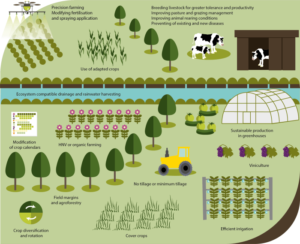
Carbon farming is an innovative agricultural practice that focuses on capturing and storing carbon dioxide (CO2) from the atmosphere in soil and vegetation. This method serves as a crucial tool in the fight against climate change by enhancing the ability of farms to sequester carbon, ultimately contributing to a reduction in greenhouse gas emissions. By implementing various sustainable practices, carbon farming not only addresses environmental issues but also promotes economic viability for farmers.The significance of carbon farming lies in its multifaceted approach to environmental sustainability.
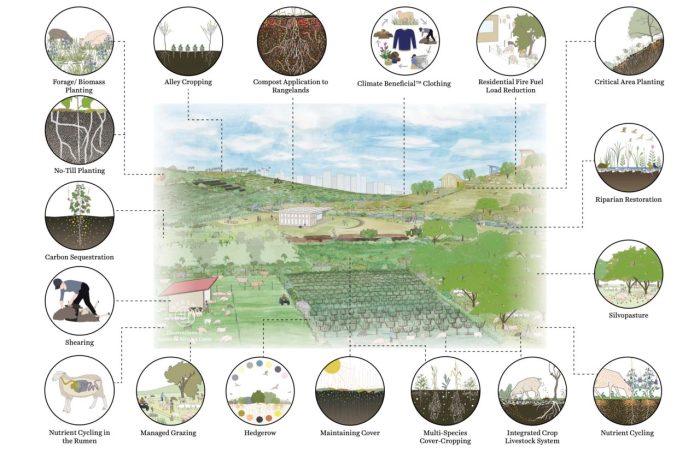
It involves the implementation of various practices, each tailored to enhance the carbon storage capacity of agricultural land. Some primary methods include agroforestry, cover cropping, reduced tillage, and rotational grazing. These methods collectively improve soil health, increase biodiversity, and boost water retention, which are vital in combating climate change while enriching the farming ecosystem.
Primary Methods Used in Carbon Farming Practices
Understanding the core methods employed in carbon farming is essential for recognizing how they contribute to carbon sequestration and environmental health. Each method plays a pivotal role in enhancing the ability of land to absorb and store carbon effectively.
- Agroforestry: This practice integrates trees and shrubs into agricultural land. It not only captures carbon but also provides shade and habitat for wildlife, reducing soil erosion and improving water management.
- Cover Cropping: Growing cover crops during off-seasons prevents soil erosion, improves soil structure, and increases organic matter. This leads to greater carbon storage and enhances soil fertility.
- Reduced Tillage: Minimizing soil disturbance through reduced tillage practices helps maintain soil structure and increases carbon retention in the soil. It also reduces emissions from soil disturbance.
- Rotational Grazing: By rotating livestock among different pastures, this method prevents overgrazing and allows for improved grass recovery, which enhances soil carbon sequestration and promotes healthier ecosystems.
Each of these methods not only aids in capturing carbon but also offers a range of benefits that can significantly enhance farm productivity and ecological resilience. The adoption of these practices provides farmers with an opportunity to generate additional income through carbon credits while simultaneously improving the health of their land and contributing to global climate solutions.
“Carbon farming is not just a strategy for mitigating climate change; it’s an investment in the future of sustainable agriculture.”
Carbon Sequestration Techniques
Carbon sequestration techniques are vital for mitigating climate change and enhancing soil health. These methods focus on capturing and storing carbon dioxide from the atmosphere, primarily through biological processes. By applying various agricultural practices, we can significantly increase the amount of carbon sequestered in both soil and vegetation, which not only benefits the environment but also improves crop yields and resilience.
Techniques for Carbon Sequestration
Several effective techniques can facilitate carbon sequestration in soil and vegetation. These methods harness natural processes to capture carbon, making them sustainable and beneficial for agricultural systems. The following are prominent techniques used in carbon sequestration:
- Cover Cropping: This technique involves planting specific crops during off-seasons when the main crops are not growing. Cover crops, such as clover, rye, and vetch, improve soil organic matter, enhance nutrient cycling, and prevent soil erosion. For instance, farmers using winter rye as a cover crop have reported improved soil structure and increased carbon levels in the soil.
- Agroforestry Systems: Combining trees with crops or livestock creates a multifunctional land use system. Trees help sequester carbon through photosynthesis while providing shade, habitat, and additional economic benefits. An example is the use of alley cropping, where rows of trees are planted alongside crops, allowing for both carbon sequestration and sustainable agricultural practices.
- No-Till Farming: This technique reduces soil disturbance, allowing for better carbon retention in the soil. By leaving the soil undisturbed, organic matter is preserved, which aids in carbon storage. Farmers practicing no-till methods have observed increases in soil carbon stocks over time.
- Biochar Application: Biochar is a form of charcoal produced from organic materials through pyrolysis. When added to soil, it enhances soil fertility and structure while sequestering carbon for hundreds to thousands of years. Studies have shown that biochar can significantly increase soil carbon content, improving crop productivity.
Comparison of Carbon Sequestration Methods
Understanding the effectiveness of different carbon sequestration methods is essential for selecting the best practices for specific agricultural contexts. The following table highlights a comparison of the mentioned techniques based on their effectiveness in sequestering carbon:
| Technique | Carbon Sequestration Potential | Soil Health Benefits | Implementation Difficulty |
|---|---|---|---|
| Cover Cropping | Moderate | Improves soil structure and prevents erosion | Low |
| Agroforestry Systems | High | Enhances biodiversity and provides additional income | Moderate |
| No-Till Farming | Moderate to High | Preserves soil organic matter and enhances biodiversity | Moderate to High |
| Biochar Application | High | Improves nutrient retention and water-holding capacity | High |
Each method has distinct advantages, making them suitable for varying soil types, climates, and agricultural practices. By incorporating these carbon sequestration techniques, farmers can contribute to climate change mitigation while enhancing the sustainability and productivity of their agricultural systems.
Economic Impact of Carbon Farming
The economic implications of adopting carbon farming practices are substantial for farmers, communities, and the environment. By integrating these practices into traditional agriculture, farmers can unlock new revenue streams, improve soil health, and enhance long-term sustainability. As awareness of climate change grows, carbon farming initiatives are also gaining traction as a means to address environmental concerns while providing economic incentives.One of the most significant benefits of carbon farming is the potential increase in farmer revenues through carbon credits.
These credits serve as a financial reward for farmers who reduce greenhouse gas emissions or enhance carbon sequestration on their lands. The adoption of practices such as agroforestry, cover cropping, and reduced tillage not only improves soil structure and fertility but also qualifies farmers for these credits, which can then be sold on carbon markets.
Funding Opportunities and Incentives for Carbon Farming
Various funding opportunities and incentives are available to encourage farmers to implement carbon farming practices. These include:
- Government Grants: Many governments provide financial support through grants aimed at promoting sustainable agricultural practices. These funds can help farmers offset the initial costs of transitioning to carbon farming techniques.
- Tax Incentives: Tax breaks or credits can be offered to farmers who adopt carbon-friendly practices, making it more financially viable to invest in sustainability.
- Carbon Credit Markets: Farmers can participate in carbon credit trading markets, where they can sell credits generated from their carbon sequestration efforts. This provides an ongoing revenue stream linked to their environmental practices.
- Non-Governmental Organizations (NGOs): Various NGOs offer funding or support for carbon farming initiatives as part of their mission to combat climate change and promote sustainable land use.
- Research and Development Fundings: Access to funds for research projects aimed at improving carbon farming technologies can also be available from both public and private sectors.
A successful example of a carbon farming initiative can be seen in a project implemented by the Rodale Institute in Pennsylvania. This project focused on regenerative organic agriculture, where farmers adopted cover cropping and crop rotation methods to enhance carbon sequestration. The initiative demonstrated substantial financial outcomes, reporting increases in soil organic matter and crop yields, which led to enhanced profitability for participating farmers.
The Rodale Institute reported that farmers who implemented these practices saw a revenue increase of up to 30% over five years, highlighting the economic viability of sustainable farming approaches. Additionally, the project helped in establishing a local carbon credit market that incentivized more farmers to join the movement, thus amplifying the economic impacts across the region.
Policy and Regulation Framework
The landscape of carbon farming is significantly shaped by various policies and regulatory frameworks aimed at supporting sustainable agricultural practices. These policies not only incentivize farmers to adopt carbon sequestration techniques but also contribute to broader environmental goals such as reducing greenhouse gas emissions and mitigating climate change. Understanding these frameworks is crucial for stakeholders involved in carbon farming.
Existing Policies Supporting Carbon Farming Initiatives
Numerous policies at both national and international levels have been established to enhance carbon farming efforts. These policies often provide financial incentives, technical assistance, or create market mechanisms that reward carbon sequestration.
- The USDA’s Conservation Reserve Program (CRP) offers payments to farmers who convert environmentally sensitive land into conservation practices that enhance carbon storage.
- California’s Cap-and-Trade Program allows farmers to earn carbon credits for implementing practices that reduce greenhouse gas emissions, which can then be sold on the carbon market.
- The European Union’s Common Agricultural Policy (CAP) includes provisions that support eco-schemes, which encourage farmers to adopt practices that improve carbon sinks.
Role of Governmental and Non-Governmental Organizations
Governmental bodies and NGOs play a pivotal role in promoting carbon farming by providing resources, education, and advocacy. Their involvement can help farmers understand the benefits of carbon farming and how to navigate the complex regulatory landscape.
- Organizations like the Environmental Protection Agency (EPA) provide guidelines and support for implementing sustainable land management practices that align with carbon farming.
- Non-profits such as the Carbon Farming Initiative work directly with farmers to facilitate the adoption of practices that store carbon, often through workshops and hands-on training.
- Research institutions collaborate with both government agencies and NGOs to develop innovative techniques and tools that enhance carbon sequestration capacities on farms.
Future Regulatory Trends Impacting Carbon Farming Practices
As awareness of climate change grows, future regulatory trends are likely to further integrate carbon farming into agricultural policy frameworks. Anticipated changes could include stricter emissions targets and expanded carbon credit trading systems.
- Emerging regulations could mandate carbon accounting for agricultural practices, requiring farmers to document their carbon sequestration efforts and impacts.
- Integration of carbon farming practices into national climate commitments under frameworks like the Paris Agreement may lead to increased funding and support for sustainable agriculture initiatives.
- There may be a rise in voluntary carbon markets, providing additional opportunities for farmers to monetize their carbon credits while promoting sustainable land management practices.
“Policies that prioritize carbon farming not only combat climate change but also foster a sustainable agricultural economy.”
Carbon Credits and Trading

The concept of carbon credits has gained significant traction in the fight against climate change, especially in relation to carbon farming practices. By understanding how carbon credits work, farmers can not only contribute positively to the environment but also create new revenue streams for their operations.Carbon credits represent a reduction of one metric ton of carbon dioxide emissions or its equivalent in other greenhouse gases.
In the context of carbon farming, farmers engage in practices that sequester carbon in the soil, which generates these credits. For example, if a farmer adopts no-till farming or cover cropping, they can capture carbon that would otherwise be released into the atmosphere. This captured carbon can then be quantified in credits, which can be sold in carbon markets.
Trading Carbon Credits in the Marketplace
The trading of carbon credits occurs in organized markets where businesses, individuals, and governments buy and sell these credits. The premise is rooted in the cap-and-trade system, where a limit (or cap) is set on the total amount of emissions allowed. Companies that reduce their emissions below this cap can sell their surplus credits to those who exceed their limits.
Here’s a closer look at how this trading process typically unfolds:
1. Verification
Before a farmer can trade carbon credits, they must have their carbon sequestration methods verified by an accredited third party. This ensures that the credits represent real, measurable, and additional reductions in carbon emissions.
2. Registration
Once verified, the carbon credits are registered on a carbon registry. This step is crucial for tracking the ownership and sale of credits.
3. Marketplaces
Farmers can then sell their carbon credits in various marketplaces, which may include compliance markets, where regulations mandate purchasing credits, or voluntary markets, where buyers purchase credits to offset their emissions voluntarily.
4. Pricing
The price of carbon credits can fluctuate based on supply and demand dynamics, market regulations, and the perceived reliability of the credit. For example, credits from verified regenerative agricultural practices may command higher prices due to their environmental benefits.
Pros and Cons of Carbon Trading for Farmers
Participating in carbon trading offers both advantages and disadvantages for farmers. Understanding these can help them make informed decisions about whether to engage in the market.The benefits of carbon trading include:
- Additional Revenue Stream: Farmers can earn money by selling carbon credits derived from sustainable practices, providing an incentive to adopt more eco-friendly farming methods.
- Enhanced Soil Health: Many practices that lead to carbon sequestration, such as cover cropping and reduced tillage, also improve soil health, leading to better crop yields.
- Corporate Partnerships: Engaging in carbon farming can open the door to partnerships with corporations seeking to offset their carbon footprint, providing further financial stability and support.
However, there are also challenges associated with carbon trading:
- Initial Investment: Implementing practices that sequester carbon may require upfront investments in new equipment or changes in farming techniques.
- Market Volatility: The price of carbon credits can be unpredictable, making it difficult for farmers to rely on this income stream over the long term.
- Regulatory Complexity: Navigating the regulations and certifications needed to participate in carbon markets can be complicated and time-consuming.
Participating in carbon trading can provide significant environmental and economic benefits, but farmers should weigh the pros and cons carefully to determine if it’s the right fit for their operations.
Community and Social Benefits
Carbon farming not only contributes to environmental health but also brings substantial social benefits to local communities. By adopting carbon farming practices, communities can enhance their resilience, improve local economies, and foster a sense of unity and purpose among residents. This approach creates an opportunity for sustainable development that aligns with the interests of the community and the environment.Implementing carbon farming techniques can significantly enhance food security and biodiversity.
Through practices such as agroforestry and cover cropping, farmers can improve soil health, resulting in increased agricultural yields. This is crucial, especially in regions where food scarcity is a pressing issue. Furthermore, carbon farming promotes diverse ecosystems, attracting various species and improving habitat conditions.
Examples of Community-Led Carbon Farming Projects
Community-led carbon farming projects serve as excellent models showcasing the positive impact of collective actions on local environments and economies. These initiatives often reflect the community’s values and needs while contributing to carbon sequestration efforts. Below are noteworthy examples:
- Community Forest Management in Nepal: In Nepal, local communities have engaged in the sustainable management of forest resources through carbon farming initiatives. By preserving forests and implementing agroforestry systems, these communities have improved both biodiversity and livelihood opportunities. This model has not only increased forest cover but also enhanced resilience against climate change.
- Carbon Farming in Australia: Several Australian farmers have adopted carbon farming practices such as regenerative agriculture and soil carbon sequestration. These methods have improved soil quality and increased crop resilience while also providing farmers with carbon credits. The revenue from these credits supports local community projects, ranging from education to infrastructure improvements.
- The East African Farmers Project: In countries like Kenya and Uganda, community-driven carbon farming initiatives have focused on agroecological practices, leading to improved food security and biodiversity. Farmers working together have shared knowledge on sustainable practices, resulting in healthier ecosystems and empowered communities.
These projects illustrate how community involvement in carbon farming can lead to powerful transformations, fostering environmental stewardship while addressing social challenges. As communities come together to take action, they not only combat climate change but also enhance their collective well-being and sense of purpose.
Challenges and Barriers to Carbon Farming
Carbon farming, while promising in its potential to mitigate climate change, is not without its challenges. Farmers looking to adopt these practices often encounter a variety of obstacles that can hinder their transition to more sustainable methods. Understanding these barriers is essential for developing strategies to enhance the adoption of carbon farming techniques.The main challenges faced by farmers in adopting carbon farming practices include financial limitations, lack of access to information, and insufficient infrastructure.
Implementing carbon sequestration techniques often requires upfront investments that can be a significant barrier for many farmers, particularly those operating on tight margins. Additionally, the knowledge gap regarding best practices for carbon farming can prevent farmers from fully understanding how to implement these methods effectively. Furthermore, the lack of supportive infrastructure, including proper technology and resources, complicates the transition.
Financial Constraints and Economic Viability
Financial challenges represent a significant barrier to the widespread adoption of carbon farming practices. Many farmers face constraints in their budgets that limit their ability to invest in new technologies or methods. The upfront costs associated with practices such as cover cropping, agroforestry, or biochar application can be daunting.
Examples of Financial Barriers
High costs for soil amendments and cover crops.
Investment in new equipment for carbon farming practices.
Loss of immediate revenue during the transition period.
Farmers often require access to financial incentives, subsidies, or grants to facilitate the transition to carbon farming. Such support can help mitigate the risks associated with adopting new practices and improve their economic viability.
Technological Barriers and Knowledge Gaps
Technological barriers and knowledge gaps play a pivotal role in the challenges faced by farmers. The implementation of carbon farming practices often requires specific technologies that some farmers may not be familiar with or have access to.
Key Technological Challenges
Lack of access to precision agriculture tools that optimize land management.
Insufficient data analysis capabilities to measure the effectiveness of carbon sequestration methods.
Inadequate training on the application of new technologies tailored to carbon farming.
Addressing these gaps is crucial. For instance, local agricultural extension services can play a vital role in providing necessary training and resources to farmers, helping them to embrace new technologies and methods confidently.
Potential Solutions to Overcome Challenges
To successfully navigate the challenges and barriers to carbon farming, a multifaceted approach is required. This includes financial support mechanisms, education, and infrastructure development.
Strategies for Improvement
Increased Financial Incentives
Governments and organizations can offer grants, low-interest loans, or subsidies specifically for carbon farming initiatives.
Education and Training Programs
Workshops and training sessions can help bridge the knowledge gap, ensuring that farmers are well-informed about carbon farming techniques and their benefits.
Development of Supportive Infrastructure
Investment in agricultural infrastructure, including technology resources and access to markets for carbon credits, is essential.Through these solutions, the agricultural sector can enhance the adoption of carbon farming practices, ultimately leading to a significant positive impact on the environment and farming communities.
Future Trends in Carbon Farming
As the world continues to grapple with climate change, carbon farming is positioned to play a crucial role in mitigating its effects. Emerging technologies and evolving consumer preferences are set to reshape carbon farming practices significantly. Understanding these trends will help farmers, policymakers, and businesses align with global climate goals and consumer demand for sustainability.Innovative technologies are enhancing the efficiency and effectiveness of carbon farming practices.
These advancements not only lower the operational costs but also improve the overall carbon sequestration capacities of agricultural practices.
Emerging Technologies in Carbon Farming
The integration of advanced technologies will revolutionize the way carbon is sequestered in farming. These technologies include:
- Precision Agriculture: Utilizing GPS and IoT sensors enables farmers to monitor soil conditions and crop health in real-time. This technology allows for targeted interventions, optimizing input usage and maximizing carbon absorption.
- Drones: Equipped with imaging technology, drones facilitate aerial surveillance of fields, helping in assessing crop health, assessing soil types, and planning for effective carbon farming strategies.
- Biotechnology: Genetically modified organisms (GMOs) can enhance soil carbon storage. For instance, crops engineered to have deeper root systems can capture more carbon underground.
- Blockchain Technology: This technology enhances transparency and traceability in the carbon credit market, ensuring that carbon credits are accurately measured and sold.
- Data Analytics: Advanced data analysis tools can predict trends in carbon farming, helping farmers make informed decisions based on predictive modeling.
Consumer Demand for Sustainably Farmed Products
The shift towards sustainability is not just a trend but a growing demand from consumers seeking eco-friendly products. As awareness about climate change increases, consumers are willing to pay a premium for products that are sustainably produced. The significance of this trend is underscored by the rise of organic and sustainably sourced products in the market. Research indicates that sales of organic products have consistently increased, with a reported growth rate of around 12% annually in recent years.
This shift creates a compelling case for farmers to adopt carbon farming practices to meet consumer expectations.
Roadmap for the Future of Carbon Farming
To align carbon farming with global climate goals, a structured roadmap is essential. This roadmap emphasizes strategic initiatives that can drive adoption and scalability:
- Investment in Research: Continued funding in agricultural research to innovate and refine carbon sequestration techniques is vital. This includes developing new crop varieties and improving soil management practices.
- Education and Training: Providing farmers with access to training programs on sustainable practices ensures that they are equipped with the knowledge to implement effective carbon farming techniques.
- Collaboration with Stakeholders: Forming partnerships among farmers, researchers, and policymakers can lead to the sharing of best practices, resources, and technologies.
- Incentive Programs: Establishing financial incentives and subsidies for farmers who implement carbon farming practices can accelerate adoption and support long-term sustainability.
- Monitoring and Reporting Frameworks: Developing robust systems to measure and report carbon sequestration outcomes enhances accountability and encourages continued participation in carbon farming initiatives.
“The future of carbon farming lies in the integration of technology and a collective commitment to sustainability from consumers and producers alike.”
Closing Summary
In summary, Carbon Farming represents a dual opportunity for farmers to enhance their livelihoods while playing a vital role in mitigating climate change. As we look towards the future, the potential for this sustainable practice to evolve and integrate with consumer demands offers a promising path forward. Engaging in Carbon Farming not only supports our planet but also fosters stronger, more sustainable communities.
Q&A
What is Carbon Farming?
Carbon Farming is an agricultural practice that sequesters carbon dioxide from the atmosphere into the soil and biomass through various methods.
How does Carbon Farming benefit farmers?
Farmers can increase soil health, improve crop yields, and access new revenue streams through carbon credits.
Are there financial incentives for Carbon Farming?
Yes, many governments and organizations offer grants, subsidies, and incentives to farmers adopting carbon farming practices.
What are carbon credits?
Carbon credits are permits that allow the holder to emit a certain amount of carbon dioxide, which can be traded or sold, incentivizing emission reductions.
What challenges do farmers face in Carbon Farming?
Farmers may encounter obstacles such as technological barriers, initial costs, and a lack of knowledge or resources to implement these practices effectively.