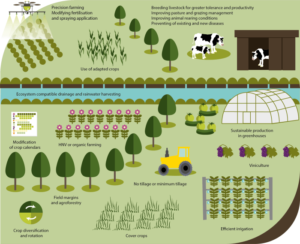
Kicking off with Eco-friendly landscaping practices that conserve resources and promote biodiversity, this topic delves into a modern approach that not only beautifies our spaces but also respects nature. By adopting these practices, homeowners and communities can create green spaces that support wildlife, enrich the soil, and use water more efficiently.
From understanding the importance of native plants to implementing sustainable gardening techniques, eco-friendly landscaping is a vital step towards a healthier ecosystem. It’s all about creating a harmonious balance between human needs and environmental stewardship, making our gardens a sanctuary for both people and the planet.
Introduction to Eco-friendly Landscaping
Eco-friendly landscaping is the practice of designing and maintaining outdoor spaces in a way that is environmentally sustainable and resource-conscious. This approach integrates natural ecological systems into landscaping practices, aiming to minimize harmful impacts on the environment while enhancing the beauty and functionality of residential and community spaces. As global awareness of environmental issues rises, eco-friendly landscaping is becoming increasingly significant in promoting sustainable living and preserving the health of our planet.Adopting eco-friendly landscaping techniques offers numerous benefits for homeowners and communities.
Not only does it contribute to the conservation of natural resources, but it also fosters a healthier ecosystem. By utilizing native plants, reducing water usage, and minimizing chemical fertilizers and pesticides, eco-friendly landscaping can create lush, vibrant spaces while supporting local wildlife and promoting biodiversity. This holistic approach not only enhances the aesthetic appeal of outdoor areas but also improves air quality, reduces soil erosion, and can even lower energy costs by creating natural windbreaks and shade.
Benefits of Eco-friendly Landscaping Techniques
Implementing eco-friendly landscaping practices is essential for various reasons that extend beyond individual aesthetic preferences. The following points highlight the significant advantages these techniques provide for the environment and communities:
- Resource Conservation: Eco-friendly landscaping techniques focus on reducing water usage by incorporating xeriscaping and rainwater harvesting systems. Native plants often require less water and maintenance, leading to significant savings and conservation of precious resources.
- Biodiversity Promotion: By utilizing native plants and creating habitats for local fauna, eco-friendly landscaping supports the surrounding ecosystem and encourages diverse wildlife to thrive. This not only enhances the beauty of the space but also contributes to the overall health of the environment.
- Soil Health Improvement: Organic practices—such as composting and mulching—help to enrich soil quality while minimizing the need for chemical fertilizers. Healthy soil supports robust plant growth, reduces erosion, and promotes nutrient cycling within the ecosystem.
- Pollution Reduction: Eco-friendly landscaping can mitigate air pollution through plant selection that captures carbon dioxide and filters harmful particulates. Creating green spaces contributes to cleaner air and a healthier community.
- Cost Savings: While the initial investment in eco-friendly landscaping may be higher, the long-term savings in water bills, maintenance costs, and energy consumption often outweigh the upfront costs. Sustainable landscaping leads to reduced resource consumption and promotes financial savings over time.
“Eco-friendly landscaping not only beautifies our surroundings but also plays a critical role in conserving our planet’s resources and promoting a healthy ecosystem.”
Incorporating eco-friendly landscaping practices is a significant step toward creating a more sustainable and biodiverse environment. By focusing on resource conservation and enhancing local ecosystems, homeowners and communities can contribute to a healthier planet while enjoying the natural beauty of their outdoor spaces.
Principles of Resource Conservation
In eco-friendly landscaping, resource conservation is paramount, focusing on using materials and methods that minimize waste and promote sustainability. This approach not only benefits the environment but also enhances the health and longevity of your garden. By understanding and implementing key principles of resource conservation, you can create a vibrant landscape that thrives while using fewer resources.One of the cornerstones of resource conservation is the efficient use of water.
In many regions, water is a limited resource, and gardens can be significant consumers. Therefore, adopting water-saving techniques is essential for sustainable landscaping. Additionally, soil health plays a critical role in plant productivity and resilience. Healthy soil not only supports plant growth but also helps retain moisture and nutrients, reducing the need for additional inputs.
Methods to Reduce Water Usage in Gardens and Lawns
Implementing water-efficient strategies in landscaping not only conserves water but also reduces maintenance efforts. Here are several effective methods to achieve this:
- Use Native Plants: Native plants are adapted to local climates and require less water than non-native species.
- Install Drip Irrigation: A drip irrigation system delivers water directly to the roots of plants, minimizing evaporation and runoff.
- Group Plants by Water Needs: Organizing plants with similar water requirements together can optimize irrigation schedules and reduce overall usage.
- Mulching: A layer of mulch helps retain soil moisture, control weeds, and improve soil health.
- Rainwater Harvesting: Collecting rainwater in barrels for irrigation can significantly reduce reliance on municipal water sources.
Importance of Soil Conservation Practices
Soil conservation practices are essential for maintaining fertile ground and supporting healthy ecosystems. Healthy soil improves water retention, prevents erosion, and provides essential nutrients to plants. Here are some critical practices that enhance soil conservation:
- Composting: Adding organic matter through compost improves soil structure, fertility, and moisture retention.
- Cover Cropping: Growing cover crops during off-seasons protects soil from erosion and enhances its organic content.
- No-Till Gardening: Minimizing soil disturbance preserves soil structure and promotes beneficial microbial activity.
- Crop Rotation: Rotating different crops prevents nutrient depletion and reduces pest buildup in the soil.
“Healthy soil is the foundation of a sustainable garden, providing a thriving environment for plants and wildlife.”
Biodiversity in Landscaping
Biodiversity plays a critical role in maintaining ecosystem health and resilience. In landscaping, incorporating a variety of plant and animal species helps create a balanced environment that supports not just aesthetics but also ecological functions. This diversity contributes to soil health, water management, and pest control, promoting a thriving landscape that benefits both nature and human inhabitants.Biodiversity is essential for the stability and resilience of ecosystems.
When different species coexist, they provide various ecological functions such as pollination, nutrient cycling, and habitat creation. A biodiverse landscape can better withstand environmental changes and stressors, such as pests, diseases, and climate fluctuations. Promoting biodiversity in landscaping can therefore enhance ecosystem health and provide a more sustainable approach to yard and garden management.
Native Plant Species that Enhance Local Biodiversity
Native plants are particularly valuable in landscaping as they are adapted to the local climate and soil conditions, requiring less maintenance and fewer resources, such as water and fertilizers. They also provide food and habitat for local wildlife, including birds, insects, and other pollinators. Some notable native plant species that enhance biodiversity include:
- Bee Balm (Monarda didyma): A vibrant flowering plant that attracts hummingbirds and a variety of bees.
- Black-eyed Susan (Rudbeckia hirta): A hardy perennial that provides food for butterflies and other pollinators.
- Milkweed (Asclepias spp.): Essential for monarch butterflies, as it serves as a host plant for their larvae.
- Eastern Redbud (Cercis canadensis): A small tree that offers early spring blooms and habitat for songbirds.
- Goldenrods (Solidago spp.): Late-season bloomers that attract a variety of pollinators and beneficial insects.
Integrating these native species in your landscaping can create a vibrant ecosystem that supports local wildlife, while also requiring less water and chemical input compared to non-native alternatives.
Creating Habitats for Wildlife within Landscaped Areas
Creating habitats for wildlife in landscaped areas is an effective way to support biodiversity. By designing spaces that cater to the needs of various species, you can foster a rich ecosystem within your own backyard. Consider the following strategies to attract and support wildlife:
- Provide Water Sources: Incorporate bird baths, small ponds, or water features to provide drinking and bathing opportunities for wildlife.
- Create Shelter: Use native shrubs, grasses, and trees to create dense areas that offer shelter for birds and small mammals. Brush piles or rock gardens can also provide refuge.
- Use Native Plants: Focus on native plant species that provide food and nesting materials for local wildlife. Diverse plantings will attract a variety of species.
- Install Nesting Boxes: Adding birdhouses or bat boxes can encourage nesting and help maintain local populations of these beneficial animals.
- Maintain Ground Cover: Allow for a mix of ground covers that provide habitat for insects and small creatures, promoting a healthy food web.
By implementing these strategies, you can create a thriving habitat in your landscaped area, benefiting both the local wildlife and the overall health of your ecosystem.
Sustainable Landscaping Practices
Sustainable landscaping practices focus on creating beautiful outdoor spaces while conserving resources and promoting environmental health. These practices not only enhance the aesthetic appeal of a landscape but also ensure that it thrives for years to come. By incorporating environmentally-friendly techniques, we can create gardens that are resilient, low-maintenance, and beneficial to the ecosystem.
Organic Gardening Techniques
Organic gardening techniques are essential for maintaining healthy soil, which is the foundation of any flourishing garden. By avoiding synthetic fertilizers and pesticides, these methods prioritize natural processes and materials that enhance soil fertility and biodiversity. Implementing organic practices leads to the following benefits:
- Soil Health: Organic gardening improves soil structure, enhances microbial activity, and increases nutrient availability, resulting in rich, fertile soil.
- Reduced Chemical Use: This method minimizes the reliance on harmful chemicals, protecting local wildlife and water sources.
- Self-Sustainability: By nurturing a diverse ecosystem, organic gardens become more resilient to pests and diseases, reducing the need for intervention.
Composting
Composting is a crucial practice in sustainable landscaping that transforms kitchen scraps and yard waste into nutrient-rich soil amendments. This process not only reduces the amount of waste sent to landfills but also provides significant benefits to garden health:
- Waste Reduction: Composting diverts organic material from landfills, reducing methane emissions that contribute to climate change.
- Nutrient Recycling: Compost enriches the soil with essential nutrients, improving plant growth and vitality.
- Soil Structure Improvement: A well-balanced compost adds organic matter to the soil, enhancing its texture and moisture retention capabilities.
Rain Gardens and Bioswales
Rain gardens and bioswales are innovative solutions for managing stormwater runoff effectively, contributing to water conservation and biodiversity. These landscaping features are designed to absorb and filter excess rainwater, providing numerous ecological benefits:
- Water Management: Rain gardens collect runoff from impervious surfaces, allowing water to infiltrate into the soil, reducing flooding and erosion.
- Pollution Filtration: Plants and soil in these systems filter pollutants from stormwater, improving water quality in nearby streams and rivers.
- Biodiversity Support: By planting native species in rain gardens and bioswales, these landscapes provide habitats for various wildlife, promoting local biodiversity.
Water-Saving Techniques
Implementing water-saving techniques in landscaping not only helps to conserve precious resources but also encourages a more sustainable approach to gardening and yard care. By adopting practices such as xeriscaping, utilizing drip irrigation, and applying mulch, homeowners and landscapers can significantly reduce water usage while promoting healthier plant growth.
Xeriscaping Principles
Xeriscaping focuses on designing landscapes that require minimal irrigation, making it an essential strategy for water conservation. This approach involves selecting drought-tolerant plants, grouping them according to their water needs, and employing efficient irrigation practices. Here are key principles to implement xeriscaping:
- Choose native and drought-resistant plants that thrive in your local climate.
- Group plants with similar water requirements together to optimize watering efficiency.
- Incorporate soil amendments, like compost, to enhance soil health and water retention.
- Design with hardscaping elements, such as gravel or rocks, to reduce water loss and create visual interest.
- Utilize rain gardens to capture and absorb rainwater runoff, benefiting both the landscape and local ecosystems.
Benefits of Drip Irrigation Systems
Drip irrigation systems are an effective method for delivering water directly to the root zones of plants, minimizing evaporation and runoff. Compared to traditional watering methods, such as sprinklers, drip irrigation offers several advantages:
- Reduces water usage by up to 60% by targeting the roots and minimizing waste.
- Promotes healthier plants by preventing overwatering and encouraging deeper root growth.
- Allows for precise application of nutrients through fertigation, enhancing plant health.
“By delivering water where it is needed most, drip irrigation enhances efficiency and plant wellbeing.”
The Role of Mulching
Mulching is a critical component in maintaining soil moisture and controlling weeds in eco-friendly landscapes. By applying a layer of organic or inorganic materials on the soil surface, you can create a favorable environment for plants. The benefits of mulching include:
- Improving soil moisture retention by reducing evaporation.
- Regulating soil temperature, helping plants withstand heat and cold.
- Suppressing weed growth, which reduces competition for water and nutrients.
“A well-applied layer of mulch can save hundreds of gallons of water by maintaining optimal soil moisture.”
Use of Renewable Resources
Incorporating renewable resources into landscaping design not only conserves the environment but also enhances the aesthetic and functional aspects of outdoor spaces. By utilizing materials that are sustainably sourced or recycled, we can create landscapes that are both beautiful and ecological. This practice supports a circular economy while minimizing waste and reducing our carbon footprint.The advantages of using recycled materials in landscaping design are multifaceted.
Not only do they reduce the consumption of virgin resources, but they also help divert waste from landfills. Recycled materials can often be more cost-effective, providing a budget-friendly alternative while promoting sustainability. Furthermore, they can add unique textures and colors to landscapes, making them visually appealing and distinctive.
Advantages of Recycled Materials
Using recycled materials in landscaping offers numerous benefits:
- Environmental Impact: Reduces landfill waste and conserves natural resources.
- Cost Savings: Often less expensive than new materials, helping homeowners save on landscaping costs.
- Uniqueness: Adds character and uniqueness to landscaping designs, as recycled materials come in various forms.
- Durability: Many recycled materials, such as reclaimed wood or brick, are highly durable and can withstand outdoor elements.
List of Renewable Resources
Incorporating renewable resources into landscaping projects not only aids in sustainability but also provides numerous options for creativity and functionality. The following is a list of renewable resources that can be effectively used:
- Compost from organic waste for soil improvement.
- Recycled glass for decorative elements and pathways.
- Rain barrels made from recycled plastic for water conservation.
- Permeable pavers to allow water infiltration and reduce runoff.
- Bamboo for fencing and structures due to its rapid growth rate.
Impact of Sustainable Wood Sources
Using sustainable wood sources for outdoor structures and furniture can have a significant impact on the environment. Sustainable wood is harvested from forests that are managed to maintain their biodiversity, productivity, and ecological processes. This practice ensures that wood products are replenished and that the ecosystem remains balanced. Key benefits include:
- Reduced Deforestation: Sustainable sourcing minimizes the impact on forests and allows for their regeneration.
- Support for Local Economies: Purchasing sustainable wood often supports local communities and forestry initiatives.
- Carbon Sequestration: Wood products store carbon, aiding in the mitigation of climate change.
- Durability and Quality: Many sustainable wood products are of high quality, providing longevity for outdoor structures.
“Choosing sustainable wood products helps ensure that our forests thrive for future generations while enhancing our landscapes.”
Implementing Eco-friendly Practices
Transitioning to eco-friendly landscaping is a rewarding journey that not only enhances the beauty of your outdoor space but also contributes to environmental sustainability. By following a structured plan, you can effectively shift from traditional methods to practices that conserve resources and promote biodiversity. This section Artikels a step-by-step approach, explores successful case studies, and addresses common challenges faced during the transition.
Step-by-Step Plan for Transitioning
A clear and organized plan is essential for making the switch to eco-friendly landscaping. Here are the key steps to consider:
- Assessment of Current Landscape: Begin by evaluating your existing landscape. Identify areas that require improvement and resources that could be conserved.
- Set Eco-friendly Goals: Define what you aim to achieve, such as reducing water usage, increasing native plant diversity, or minimizing chemical inputs.
- Develop a Design Plan: Create a landscaping design that incorporates native plants, permeable surfaces, and eco-friendly materials.
- Phased Implementation: Transition gradually. Start with one section of your landscape to test new methods before a full-scale rollout.
- Monitor and Adjust: Regularly assess the performance of your eco-friendly landscape. Adjust practices based on what works best for your environment.
Case Studies of Successful Eco-friendly Landscaping Projects
Several successful projects exemplify the power of eco-friendly landscaping practices. These case studies provide inspiration and practical insights.
In 2016, a community park in Portland, Oregon, underwent a transformation by replacing non-native grass with native wildflower meadows. This not only saved water but also attracted local pollinators, enhancing biodiversity.
One notable example includes the transformation of a residential yard in Austin, Texas, where the homeowner replaced traditional turf grass with drought-resistant plants and installed rainwater harvesting systems. This change reduced water usage by 60% while creating a vibrant habitat for birds and butterflies.
Challenges and Solutions in Adopting Eco-friendly Practices
While transitioning to eco-friendly landscaping can be beneficial, several challenges may arise. Recognizing these challenges and their solutions is fundamental for a successful transition.
“The journey of a thousand miles begins with a single step.”
Some common challenges include:
- Resistance to Change: Educating yourself and others about the benefits of eco-friendly practices can help overcome skepticism.
- Initial Costs: Eco-friendly options may have higher initial costs, but long-term savings on water and maintenance make them worthwhile.
- Limited Knowledge: Gaining knowledge through workshops or consulting with professionals can provide guidance on effective sustainable practices.
- Climate Adaptation: Understanding your local climate is crucial. Selecting plants that thrive in your environment can mitigate failures due to climate mismatches.
Community Involvement and Education
Engaging the community in eco-friendly landscaping practices is crucial for promoting sustainable habits and fostering a culture of environmental stewardship. Education plays a pivotal role in this process, empowering individuals with the knowledge and skills required to implement sustainable practices in their own yards and gardens. By creating awareness and encouraging participation, communities can become active participants in the movement towards a greener environment.One effective strategy for educating the community about eco-friendly landscaping is organizing workshops and hands-on demonstrations.
These events can cover a range of topics, from composting and native plant selection to water conservation techniques. Local experts can share their knowledge, allowing participants to see firsthand how these practices can be integrated into their own landscaping efforts.
Community Initiatives that Promote Sustainable Practices
Numerous community initiatives provide excellent examples of how neighborhoods can come together to promote eco-friendly landscaping. Such initiatives not only educate residents but also strengthen community ties. Here are a few noteworthy examples:
- Community Gardens: These gardens encourage residents to grow their own food using organic methods, fostering a sense of community while promoting environmental responsibility. For instance, the “Garden in a Box” program provides residents with native plants and guidance on sustainable gardening practices.
- Tree Planting Events: Local organizations often coordinate tree-planting days where volunteers can come together to plant trees in parks or along streets. This initiative not only beautifies the area but also helps to improve air quality and support biodiversity.
- Native Plant Sales: Communities can organize sales or swaps of native plants, which are adapted to local climates and require less water and maintenance. These events educate residents about the benefits of native species for local wildlife.
- School Programs: Integrating eco-friendly landscaping into school curricula can teach children the importance of sustainability. Programs that involve students in designing and maintaining school gardens help instill a sense of responsibility towards the environment.
Local governments can play a significant role in supporting eco-friendly landscaping through effective policies and programs. By implementing incentives for homeowners to adopt sustainable landscaping practices, governments can encourage widespread participation. These incentives may include tax rebates for xeriscaping, grants for community projects, or subsidies for purchasing native plants.Additionally, local governments can establish regulations that promote eco-friendly landscaping practices. For example, ordinances that require or encourage the use of permeable materials for driveways and walkways can reduce stormwater runoff, protecting local water bodies from pollution.
Through collaboration with community organizations and educational institutions, local governments can create awareness campaigns that inform residents about the importance of biodiversity and resource conservation in landscaping. These efforts not only enhance community knowledge but also foster a collective commitment to environmental preservation.
“Community involvement is key to cultivating eco-friendly practices that benefit both the environment and the community.”
Final Conclusion

In summary, embracing eco-friendly landscaping practices that conserve resources and promote biodiversity offers a pathway to a greener future. By taking simple yet impactful steps, we can enhance our outdoor environments, support local wildlife, and ensure a sustainable legacy for generations to come. Let’s commit to making our landscapes not just beautiful, but also beneficial for our ecosystems.
User Queries
What are the benefits of using native plants?
Native plants are adapted to the local climate and soil conditions, making them easier to care for and more beneficial for local wildlife.
How can I start composting in my backyard?
Begin by collecting organic waste such as fruit scraps, vegetable peels, and yard waste, then layer them in a compost bin or pile, turning them regularly to promote decomposition.
What is xeriscaping and how does it help?
Xeriscaping is a landscaping method that reduces or eliminates the need for irrigation, using drought-resistant plants to conserve water and maintain attractive gardens.
How can I create habitats for wildlife in my garden?
Incorporate native plants, water features, and shelter such as birdhouses and insect hotels to encourage wildlife to thrive.
What are some easy water-saving techniques for home gardens?
Consider using a drip irrigation system, adding mulch to retain soil moisture, and selecting drought-tolerant plants to minimize water usage.