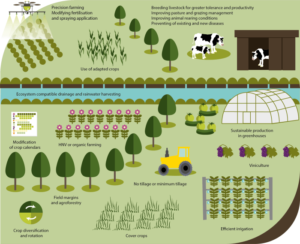
Eco-Friendly Products are not just a trend; they’re a lifestyle choice that reflects a growing awareness of our planet’s health. As more consumers seek to minimize their environmental footprint, these products have taken center stage in everyday life, offering sustainable alternatives that benefit both the Earth and our well-being.
From biodegradable cleaning supplies to reusable shopping bags, eco-friendly products come in various forms and serve multiple purposes. Understanding their importance, benefits, and how to choose them wisely can significantly impact both individual health and the environment.
Introduction to Eco-Friendly Products
Eco-friendly products are items designed to have minimal impact on the environment, promoting sustainability and reducing pollution. In today’s market, these products are increasingly vital as consumers become more aware of their purchasing decisions and the effects they have on the planet. The growing demand for eco-friendly options reflects a shift in consciousness towards preserving natural resources and fostering a healthier lifestyle.The significance of eco-friendly products extends beyond environmental benefits; they also enhance human health by reducing exposure to harmful chemicals found in conventional products.
Eco-friendly alternatives often utilize natural ingredients, which can decrease allergenic reactions and improve overall well-being. The adoption of such products can lead to cleaner air, safer water, and a reduction in hazardous waste.
Common Eco-Friendly Products in Daily Life
Numerous eco-friendly products are seamlessly integrated into our daily routines, showcasing how easy it is to make a positive environmental impact. Here are some examples that highlight their functionality and benefits:
- Reusable Bags: Instead of single-use plastic bags, reusable shopping bags made from sustainable materials can significantly reduce plastic waste.
- Bamboo Toothbrushes: These biodegradable toothbrushes are a great alternative to plastic ones, providing effective dental care while being gentler on the environment.
- Natural Cleaning Products: Many household cleaners contain harsh chemicals. Eco-friendly cleaning products use natural ingredients to effectively sanitize without harming the environment.
- Stainless Steel Straws: Reusable straws made from stainless steel are a sustainable alternative to plastic straws, helping to reduce ocean pollution.
- Organic Cotton Products: Items like towels, sheets, and clothing made from organic cotton are produced without harmful pesticides, making them safer for both people and the planet.
The transition to eco-friendly products is not just beneficial for the environment but also promotes a healthier lifestyle. By selecting these alternatives, consumers can contribute to a more sustainable future while enjoying high-quality and often safer products.
Types of Eco-Friendly Products
Eco-friendly products are designed to minimize environmental impact while providing effective solutions for everyday needs. These products cater to various aspects of life, offering sustainable alternatives in different categories. From household items to personal care and food packaging, there is a growing range of options that help consumers make environmentally conscious choices.The materials used in eco-friendly products play a significant role in their sustainability.
Options like bamboo, organic cotton, recycled plastics, and biodegradable materials are commonly utilized. These materials are not only renewable but also reduce carbon footprints, conserve resources, and minimize waste. Incorporating such materials into products can lead to substantial positive effects on the environment over time.
Categories of Eco-Friendly Products
Several categories of eco-friendly products provide consumers with sustainable options. Understanding these categories helps in making informed purchasing decisions.
- Household Items: These include cleaning supplies, reusable bags, and compostable kitchenware that reduce chemical usage and plastic waste.
- Personal Care: Products like natural soaps, organic shampoos, and biodegradable toothbrushes prioritize health and environmental safety.
- Food Packaging: Eco-friendly food packaging materials include compostable containers, beeswax wraps, and reusable food storage solutions that limit single-use plastic.
Below is a table listing various eco-friendly product examples along with their eco-friendly attributes. This gives a clearer understanding of what to look for when shopping.
| Product | Eco-Friendly Attribute |
|---|---|
| Bamboo Toothbrush | Biodegradable handle, sustainable sourcing |
| Reusable Silicone Bags | Eliminates plastic waste, durable and reusable |
| Natural Laundry Detergent | Non-toxic ingredients, biodegradable packaging |
| Compostable Plates | Made from plant materials, reduces landfill waste |
| Organic Cotton Tote | Reduces plastic bag usage, sustainably produced |
Choosing eco-friendly products not only helps the planet but also supports a healthier lifestyle.
Benefits of Using Eco-Friendly Products
Choosing eco-friendly products offers a multitude of advantages that positively impact our planet, our wallets, and our health. By making the switch from conventional products to eco-friendly alternatives, consumers and businesses alike can contribute to a healthier environment while enjoying various economic and health benefits. This section delves into the key benefits of using eco-friendly products, covering environmental, economic, and health perspectives.
Environmental Benefits
The foremost advantage of eco-friendly products lies in their reduced environmental impact. These products are typically made from sustainable materials and are designed to minimize pollution and waste during production and disposal. By opting for eco-friendly options, consumers help reduce their carbon footprint and promote biodiversity.
- Lower greenhouse gas emissions: Eco-friendly products often have a smaller carbon footprint, which helps combat climate change.
- Reduced water pollution: Many eco-friendly products are biodegradable, which means they break down naturally and don’t pollute waterways.
- Conservation of natural resources: Sustainable manufacturing practices used in eco-friendly products help in conserving resources like water and energy.
- Promotion of biodiversity: Eco-friendly products encourage sustainable farming and manufacturing practices that protect ecosystems.
Economic Advantages
While the upfront cost of eco-friendly products can sometimes be higher, the long-term economic benefits are significant for both consumers and businesses. By incorporating eco-friendly options, individuals and companies can save money and drive innovation.
- Cost savings on energy bills: Many eco-friendly products, such as energy-efficient appliances, lead to reduced energy consumption, resulting in lower utility bills.
- Increased market demand: Businesses that offer eco-friendly products often tap into a growing consumer base that prioritizes sustainability, enhancing profitability.
- Tax incentives: Many governments provide tax breaks or incentives for businesses that adopt eco-friendly practices, furthering their financial advantages.
Health Benefits
Using eco-friendly products can significantly improve health and well-being, both physically and mentally. Many conventional products contain harmful chemicals and toxins that can adversely affect health, while eco-friendly products prioritize safety and wellness.
- Reduced exposure to harmful chemicals: Eco-friendly products often use natural ingredients, minimizing the risk of allergic reactions and chronic health issues.
- Improved indoor air quality: Products like natural cleaners and paints reduce indoor air pollutants, leading to a healthier living environment.
- Enhanced well-being: The use of eco-friendly products can contribute to a sense of well-being, as consumers feel good about making sustainable choices for the planet.
“Choosing eco-friendly products not only benefits the environment but also fosters healthier living and economic savings.”
How to Choose Eco-Friendly Products
When it comes to shopping for eco-friendly products, navigating the numerous options can be overwhelming. However, making informed choices is crucial in supporting sustainable practices and protecting the environment. This guide highlights essential guidelines and tips for identifying genuinely eco-friendly products that align with your values.To effectively choose eco-friendly products, it’s important to look beyond marketing claims and understand what truly makes a product sustainable.
This involves evaluating a product’s materials, manufacturing processes, and certifications. By being diligent and informed, consumers can make choices that contribute positively to the environment.
Guidelines for Identifying Eco-Friendly Products
When shopping for eco-friendly products, consider the following guidelines to ensure that your choices are genuinely sustainable:
Research the Brand
Investigate the company’s commitment to sustainability. Look for information about their practices, values, and transparency.
Examine Ingredients and Materials
Opt for products made from natural, organic, or recycled materials. Avoid products with harmful chemicals or artificial additives.
Evaluate Packaging
Choose products with minimal, recyclable, or biodegradable packaging. Excessive plastic packaging is often a red flag.
Assess the Product’s Lifecycle
Consider the entire lifecycle of the product, from production to disposal. Sustainable products should have a lower environmental impact at every stage.
Checklist for Evaluating Sustainability
Use this checklist to evaluate the sustainability of products during your shopping trips. This will help you make better choices:
1. Material Sourcing
Is the product made from renewable or recycled materials?
2. Production Practices
Are sustainable practices used in manufacturing? Is there information about fair labor practices?
3. Certifications
Does the product have recognized eco-friendly certifications?
4. Energy Use
Does the production process use renewable energy sources?
5. End of Life
Is the product designed for easy recycling or composting?
Certifications and Labels Indicating Eco-Friendliness
Understanding certifications and labels can help you quickly identify eco-friendly products. Here are some common certifications to look for:
USDA Organic
Indicates that a product is made with at least 95% organic ingredients without synthetic pesticides or fertilizers.
Energy Star
Products with this label meet energy efficiency guidelines set by the U.S. Environmental Protection Agency.
Fair Trade Certified
Ensures that the producers were paid fairly and that the product meets certain environmental standards.
Cradle to Cradle Certified
Products are assessed for environmental and social performance across their entire lifecycle.
Forest Stewardship Council (FSC)
Products made from wood come from responsibly managed forests.By utilizing these guidelines, checklist items, and certifications, consumers can confidently choose eco-friendly products that contribute to a healthier planet. Making informed decisions is a powerful way to support sustainability in everyday life.
The Role of Technology in Eco-Friendly Products
Technology plays a pivotal role in the advancement of eco-friendly products, leveraging innovation to create sustainable solutions that benefit both consumers and the environment. With the increasing awareness of climate change and resource depletion, these technological advancements are essential for developing products that minimize ecological footprints while meeting consumer needs.Innovations in materials science are at the forefront of this movement, enabling the design of products that are not only sustainable but also high-performing.
Researchers are exploring various natural and recycled materials that possess desirable qualities like durability and biodegradability, making them suitable for a range of applications from packaging to textiles.
Innovations in Materials Science
The exploration of new materials is transforming the landscape of eco-friendly products. Innovations in materials science contribute significantly to the development of sustainable alternatives by replacing conventional materials with eco-friendly ones that reduce environmental impact. Some notable advancements include:
- Bioplastics: Derived from renewable sources such as corn starch or sugarcane, bioplastics provide a biodegradable alternative to traditional plastics, helping to mitigate plastic pollution.
- Recycled Materials: Companies are increasingly using recycled materials in their products, such as recycled plastics and paper, which helps to reduce waste and conserve resources.
- Natural Fibers: Innovations in the processing of natural fibers like hemp, bamboo, and organic cotton make them more accessible and appealing for use in clothing and home goods, promoting sustainability in textiles.
- Smart Textiles: These fabrics incorporate technology that can enhance functionality while remaining eco-friendly, such as fabrics that regulate temperature or improve moisture management.
Technological advancements also contribute to the development of eco-friendly products through the integration of smart technologies. These technologies not only improve product efficiency but also empower consumers to make more sustainable choices.
Tech-Driven Eco-Friendly Products
Numerous tech-driven eco-friendly products are gaining traction in the market, showcasing the powerful impact of technology on sustainability. These products exemplify how innovation can lead to environmentally responsible consumer options. Here are a few noteworthy examples:
- Solar-Powered Devices: Gadgets like solar chargers and solar-powered lights harness renewable energy, reducing reliance on fossil fuels and lowering carbon footprints.
- Smart Home Systems: Automated systems that monitor and optimize energy consumption in homes contribute to reduced energy waste while maintaining comfort and convenience.
- Electric Vehicles: The rise of electric cars, supported by advances in battery technology, is a major step towards reducing greenhouse gas emissions from transportation.
- Water Purification Technologies: Innovations like solar-powered water purifiers make clean drinking water accessible in remote areas while minimizing energy use and environmental impact.
These examples reflect the potential of technology to revolutionize the market for eco-friendly products, making sustainability not only achievable but also appealing to the modern consumer. The combination of innovative materials and smart technology is paving the way for a more sustainable future.
Consumer Trends and Eco-Friendly Products

The landscape of consumer behavior is changing significantly, particularly when it comes to eco-friendly products. Today’s consumers are increasingly aware of their environmental impact and are making conscious purchasing decisions that reflect their values. This shift is not only shaping market trends but also urging companies to innovate and adapt to the demand for sustainable alternatives.As sustainability becomes a central theme in consumer choices, various factors influence their purchasing decisions.
Today, a growing number of consumers are willing to pay more for eco-friendly products, indicating a profound shift in priorities. According to a recent survey by Nielsen, 73% of global consumers say they would definitely or probably change their consumption habits to reduce their environmental impact. This statistic underscores the importance of sustainability in consumer behavior and demonstrates a widespread commitment to eco-conscious shopping.
Influence of Social Media on Eco-Friendly Products
Social media plays a pivotal role in shaping consumer attitudes towards eco-friendly products. Platforms like Instagram, Twitter, and TikTok are not only avenues for sharing personal experiences but also serve as powerful tools for raising awareness about sustainability. Influencers and brands leverage these platforms to promote eco-friendly practices and products, reaching vast audiences in a matter of seconds.The impact of social media can be illustrated by examining the rising popularity of sustainability-focused hashtags, such as #SustainableLiving and #EcoFriendly.
These hashtags help create communities centered around environmental consciousness, encouraging more people to adopt eco-friendly lifestyles. For example, campaigns promoting zero-waste living have gained traction, inspiring individuals to make significant changes in their shopping habits. Furthermore, a study from Sprout Social reveals that 60% of consumers have made a purchase based on a social media post, highlighting the direct influence of online platforms on consumer decisions.The relationship between social media and eco-friendly products continues to evolve, with brands increasingly using these platforms to showcase their sustainable initiatives.
Engaging content, such as behind-the-scenes looks at sustainable sourcing or testimonials from satisfied eco-conscious customers, can effectively drive consumer interest and foster loyalty. As consumers become more educated about sustainability through social media, the trend toward eco-friendly products is likely to strengthen, creating a more environmentally aware marketplace.
Challenges in Eco-Friendly Product Development
Creating eco-friendly products is not just a trend; it’s a necessity for sustainable living. However, companies face several hurdles in the journey towards greener product development. Understanding these challenges is crucial for businesses aiming to incorporate sustainable practices while still meeting consumer demands and maintaining profitability.The main challenges in producing eco-friendly products revolve around material sourcing, manufacturing processes, and consumer perceptions.
Companies often struggle to find sustainable materials that are also cost-effective and readily available. This dilemma is compounded by the pressure to keep production costs low, which can lead to compromised sustainability efforts. Additionally, consumers may not always be willing to pay a premium for eco-friendly options, forcing companies to balance cost with the sustainability of their products.
Balancing Cost and Sustainability in Product Manufacturing
The balance between cost and sustainability is critical for businesses venturing into eco-friendly product development. Many companies face the challenge of higher production costs associated with sustainable materials and processes. This often leads to a reluctance to fully commit to eco-friendly practices. Achieving this balance requires strategic planning and innovation.To navigate these challenges, companies can adopt several strategies:
- Research and Development: Invest in R&D to discover new materials or technologies that lower production costs while enhancing sustainability.
- Supply Chain Optimization: Work closely with suppliers to source sustainable materials at competitive prices, and streamline the supply chain to reduce waste and costs.
- Consumer Education: Educate consumers on the long-term benefits of eco-friendly products, which can justify higher prices and enhance brand loyalty.
- Government Subsidies and Incentives: Leverage available government incentives for sustainable practices, which can offset some of the costs associated with eco-friendly production.
- Life Cycle Assessment: Conduct thorough assessments to evaluate the environmental impact of products, allowing for informed decisions that balance cost and sustainability.
“Balancing cost with sustainability is not just beneficial for the environment; it’s essential for long-term business viability.”
By implementing these strategies, companies can overcome the challenges of developing eco-friendly products while still maintaining a focus on cost-effectiveness. This approach not only benefits the environment but also positions businesses as leaders in the green economy.
Future of Eco-Friendly Products
The future of eco-friendly products is looking bright and filled with possibilities as both consumers and companies embrace sustainability. As awareness about environmental issues grows, products that align with eco-friendly practices are becoming more mainstream. This section delves into the predicted trends within various sectors, examines how consumer behavior towards sustainability is shifting, and highlights the crucial role of legislation and policy in promoting eco-friendly product growth.
Predicted Trends in Different Sectors
Various sectors are expected to evolve significantly as eco-friendly products become more integrated into everyday life. Key trends include:
- Fashion Industry: The rise of sustainable fashion is on the horizon, with brands focusing on ethical sourcing and production processes. Expect more use of recycled materials and transparent supply chains.
- Food and Beverage: Plant-based diets are gaining traction, leading to an increase in organic and locally-sourced products. Innovations such as lab-grown meats and biodegradable packaging are anticipated to make significant impacts.
- Home Goods: Eco-friendly home products, including biodegradable cleaning supplies and sustainable furniture, are expected to see a surge in popularity. Consumers are increasingly looking for alternatives that minimize their carbon footprint.
- Technology: The tech sector is projected to embrace eco-design principles. From energy-efficient devices to sustainable manufacturing processes, the focus will increasingly shift towards creating tech that is both recyclable and energy-saving.
Changes in Consumer Behavior Towards Sustainability
Consumer attitudes towards sustainability are evolving rapidly, changing the dynamics of the marketplace. Many individuals are now prioritizing eco-friendliness in their purchasing decisions.
“Consumers are increasingly willing to pay a premium for products that are environmentally friendly.”
This shift is characterized by:
- Informed Choices: With increased access to information regarding the environmental impact of products, consumers are making informed choices, often researching brands before buying.
- Social Responsibility: Many consumers are aligning their purchases with their values, favoring brands that demonstrate a commitment to sustainability and ethical practices.
- Community Engagement: Sustainability has become a communal effort, with consumers actively participating in local initiatives and supporting businesses that contribute to environmental causes.
The Role of Legislation and Policy in Eco-Friendly Product Growth
Legislation plays an essential role in fostering the growth of eco-friendly products. Governments around the world are implementing policies aimed at reducing carbon footprints and promoting sustainable practices.Key legislative actions include:
- Incentives for Green Businesses: Governments are offering tax breaks and incentives for companies that implement sustainable practices, encouraging investment in eco-friendly technologies.
- Regulations on Waste Management: Many regions are enforcing stricter regulations on waste disposal and encouraging recycling, which drives innovation in product design for recyclability.
- Funding for Research and Development: Public funding is increasingly directed towards research into sustainable materials and practices, facilitating the development of new eco-friendly products.
Changes in legislation not only encourage businesses to adopt greener practices but also align with consumer demand for responsible consumption. As awareness and urgency regarding climate change grow, the commitment to sustainability across sectors will likely intensify, ensuring that eco-friendly products remain at the forefront of market trends.
Final Summary
As we look forward, the rise of eco-friendly products promises not only to enhance our daily lives but also to drive meaningful change in the market. By making informed choices and supporting sustainable innovations, we contribute to a healthier planet and a promising future for generations to come.
FAQ
What are eco-friendly products?
Eco-friendly products are goods made with sustainable materials and processes that have minimal impact on the environment.
Why should I use eco-friendly products?
Using eco-friendly products helps reduce pollution, conserve natural resources, and promote better health for you and the planet.
Are eco-friendly products more expensive?
While some eco-friendly products may cost more upfront, they often save money in the long run due to their durability and health benefits.
How can I identify eco-friendly products?
Look for certifications, labels, and ingredients that indicate sustainability, such as organic, biodegradable, or recyclable materials.
Do eco-friendly products work as well as conventional products?
Many eco-friendly products are designed to perform just as well, if not better, than their conventional counterparts while being less harmful to the environment.