Kicking off with Frozen Foods Food items preserved by freezing extending shelf life, let’s explore how these convenient staples have transformed modern cooking. Freezing has been a game-changer in food preservation, allowing us to enjoy seasonal flavors all year round. From the early days of ice harvesting to today’s sophisticated freezing techniques, understanding this process reveals not only its impact on food quality but also its essential role in reducing waste.
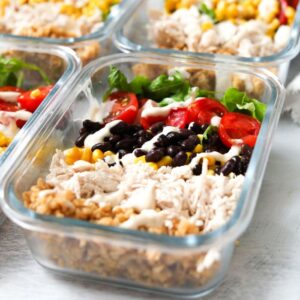
Frozen foods come in various forms, from pre-packaged meals to homemade delights, tailored to suit any diet. They provide a practical solution for busy lifestyles, allowing for quick and nutritious meals without the hassle of preparation.
Introduction to Frozen Foods
Frozen foods are items that have been preserved through the freezing process, significantly extending their shelf life while maintaining nutritional value and flavor. In modern cuisine, they play a crucial role in ensuring convenience, accessibility, and sustainability for consumers. The ability to store seasonal produce and perishable goods for extended periods has transformed meal preparation, making it easier for households to enjoy diverse culinary options year-round.The practice of freezing food dates back to ancient civilizations, where ice and snow were used to preserve meats and fish.
However, it wasn’t until the early 20th century that freezing technology advanced significantly, especially with the introduction of commercial freezing methods. This evolution has allowed for rapid freezing techniques that minimize ice crystal formation, thus preserving the food’s cellular structure and flavor. Today, freezing is recognized as one of the most effective methods of food preservation, ensuring that nutrients remain intact during storage.
The Science Behind Freezing Food
The freezing process involves lowering the temperature of food to below its freezing point, which halts the growth of bacteria and enzymes that can spoil food. This process is not just about temperature; it also includes the speed of freezing, which can greatly affect the quality of the frozen item. Rapid freezing is crucial because it leads to the formation of smaller ice crystals, which cause less damage to the food’s cellular structure.
Factors influencing the freezing process include:
- Temperature: Lower temperatures lead to more effective preservation as they prevent microbial growth and enzymatic reactions.
- Freezing Rate: Quick freezing minimizes ice crystal formation, preserving texture and taste.
- Type of Food: Different foods have varying water content and cellular structures, affecting freezing methods and outcomes.
The impact of freezing on food quality is evidenced by the retention of vitamins and minerals. For instance, studies show that frozen fruits and vegetables can maintain up to 90% of their nutrients if processed quickly after harvest. This ensures that consumers receive wholesome, nutritious food regardless of the season.
“Freezing food shortly after harvest preserves nutrients and extends shelf life significantly.”
Types of Frozen Foods
Frozen foods are a convenient and versatile option for meal preparation, offering a variety of categories to suit different tastes and dietary needs. With the right choices, frozen foods can provide not only convenience but also nutrition, making them a staple in many households.There are several main categories of frozen foods, each serving a unique purpose in meal planning. They range from vegetables to complete meals, and understanding these categories can help you make informed choices that align with your lifestyle and nutritional goals.
Categories of Frozen Foods
When it comes to frozen foods, there is a wide range of options available. Below are some common categories along with examples for each, showcasing the diversity found in frozen food aisles.
- Frozen Fruits: These can include berries, mangoes, peaches, and mixed fruit blends. They’re perfect for smoothies or desserts.
- Frozen Vegetables: Options such as peas, spinach, broccoli, and mixed vegetables are ideal for quick side dishes or healthy additions to meals.
- Frozen Meals: This category includes everything from frozen pizzas to TV dinners and ready-to-eat entrees, designed for convenience.
- Frozen Meat and Seafood: Items like chicken breasts, fish fillets, and shrimp can be found in the freezer section, providing versatile protein sources.
- Frozen Snacks: This includes items like frozen burritos, appetizers, and desserts, catering to quick cravings and party needs.
Nutritional Value of Frozen Meals
Frozen meals are often pre-portioned and ready to heat, making them a popular choice for busy individuals. However, it’s essential to examine their nutritional content closely. Many frozen meals can be high in sodium and preservatives, but there are healthier options available as well.When selecting frozen meals, look for those that include whole grains, lean proteins, and plenty of vegetables.
For example, a frozen stir-fry with brown rice, chicken, and a variety of vegetables can provide balanced nutrition.
“Frozen meals can be convenient, but always check the label for sodium and sugar content to make healthier choices.”
Comparison of Pre-packaged Frozen Foods and Homemade Frozen Items
Pre-packaged frozen foods offer convenience but often come with compromises in terms of ingredients and nutrition. In contrast, homemade frozen foods allow for greater control over ingredients and portion sizes.When preparing homemade frozen meals, you can ensure the use of fresh ingredients and adjust seasonings to suit your taste preferences. For instance, homemade vegetable soup can be made in bulk, portioned into containers, and frozen for later use, allowing for healthier, homemade options at your fingertips.Pre-packaged options may save time, but they can also be more expensive and contain additives.
In contrast, cooking in batches and freezing your meals can be cost-effective and healthier, as you can customize with whole foods.
“Making your own frozen meals can be a rewarding experience, providing both health benefits and cost savings.”
Benefits of Frozen Foods
Frozen foods offer a multitude of advantages that make them an appealing option for many households. From longevity to convenience, frozen alternatives can significantly enhance the way we shop for and consume food. Understanding these benefits can help in making informed decisions when you’re next at the grocery store.Frozen foods are advantageous in several key areas compared to their fresh counterparts.
They provide consumers with cost-effective solutions while also being particularly convenient for meal planning and preparation. The freezing process locks in nutrients and flavors, making these items not only a smart choice but also a delicious one.
Cost-Effectiveness of Frozen Foods
Purchasing frozen foods is often more economical than buying fresh items, particularly out of season. The ability to buy in bulk and store foods for extended periods reduces the need for frequent shopping trips, saving both time and money. Here are some notable points on the cost-effectiveness of frozen foods:
- Seasonal Pricing: Frozen fruits and vegetables are often harvested at peak ripeness and frozen immediately, which can lower the price compared to out-of-season fresh produce.
- Reduction in Spoilage: Frozen foods can be stored for months, reducing the likelihood of spoilage and allowing you to only purchase what you need.
- Bulk Buying Savings: Many frozen items are available in larger quantities at discounted prices, which is ideal for families or meal-prepping individuals.
Convenience of Frozen Foods
Frozen foods are incredibly convenient, making them a perfect fit for busy lifestyles. They come pre-prepared and ready to cook, significantly cutting down on meal prep time. The convenience factor can be highlighted through the following points:
- Quick Meals: Frozen meals can often be cooked in 20-30 minutes, allowing for a nutritious option even on the busiest days.
- Variety: The wide range of available frozen foods means you can easily switch up meals without the hassle of frequent grocery runs.
- Easy Storage: Frozen items can be stored in your freezer, freeing up refrigerator space for fresh items that need to be consumed sooner.
Reduction of Food Waste with Frozen Foods
Frozen foods play a significant role in minimizing food waste, which is a growing global concern. By extending shelf life, freezing can help preserve excess food that might otherwise go bad. The impact of frozen foods on reducing waste can be articulated through these points:
- Longer Shelf Life: Freezing halts the growth of bacteria and molds, allowing food to be preserved for months or even years without losing quality.
- Preservation of Leftovers: Leftover meals can be frozen and eaten later, ensuring that prepared food doesn’t end up in the trash.
- Flexibility in Consumption: With frozen items, you can enjoy seasonal produce year-round without the rush to consume them before they spoil.
“Freezing food at its peak freshness retains nutrients and quality while minimizing waste.”
Freezing Methods and Techniques
Freezing is a crucial process in the food industry, ensuring that food maintains its quality, flavor, and nutritional value over time. Various methods have been developed to enhance freezing efficiency and preserve the integrity of food items. Understanding these techniques can help consumers and manufacturers alike make informed decisions about food storage.Among the key freezing techniques used in the food industry are blast freezing, cryogenic freezing, and plate freezing.
Each method has its unique advantages and is suited for different types of food products. Manufacturers often choose a specific method based on the desired quality, texture, and processing speed.
Freezing Techniques in the Food Industry
The following list Artikels the primary freezing methods utilized in food processing, along with their key characteristics:
- Blast Freezing: Involves rapidly lowering food temperature to below -18°C (0°F) using cold air circulation. This method minimizes ice crystal formation, preserving texture and taste.
- Cryogenic Freezing: Uses liquid nitrogen or carbon dioxide to freeze food at extremely low temperatures, often below -196°C (-321°F). This technique is ideal for delicate items like fruits and seafood, maintaining cellular integrity.
- Plate Freezing: Food is placed between metal plates that are cooled, allowing for uniform freezing. This method is efficient for bulk items such as fish fillets and is often used in commercial settings.
- Individual Quick Freezing (IQF): Each food piece is frozen individually, preventing clumping and allowing for easy portioning. Commonly used for vegetables, fruits, and small proteins.
Best Practices for Home Freezing
To ensure optimal preservation of taste and texture when freezing food at home, it is essential to follow best practices. This helps in extending the shelf life of food without compromising quality. Consider the following tips for effective home freezing:
- Pre-freeze items in single layers on a baking sheet to prevent sticking.
- Use airtight containers or freezer bags to reduce exposure to air and prevent freezer burn.
- Label all items with the date and contents to keep track of freshness.
- Blanch vegetables before freezing to deactivate enzymes that can affect color, flavor, and texture.
- Cool cooked foods to room temperature before freezing to maintain stability and avoid condensation in storage containers.
Freezing Times and Temperatures for Various Food Items
Understanding the recommended freezing times and temperatures for different food items can significantly enhance the effectiveness of your home freezing efforts. Below is a comprehensive table that details these aspects for various common foods:
| Food Item | Recommended Freezing Temperature (°F) | Freezing Time (Hours) |
|---|---|---|
| Meat (beef, pork, poultry) | -0°F or below | 1-2 hours |
| Fish | -0°F or below | 1-2 hours |
| Vegetables (blanched) | 0°F or below | 2-3 hours |
| Fruits | 0°F or below | 2-4 hours |
| Soups and stews | 0°F or below | 2-3 hours |
| Baked goods (bread, cookies) | 0°F or below | 1-2 hours |
“Freezing is not just about preserving food; it’s about maintaining flavor and nutrition for future enjoyment.”
Safety and Storage of Frozen Foods

Proper storage methods are essential for maintaining the quality and safety of frozen foods. When done right, freezing not only extends shelf life but also preserves the taste and nutritional value of food items. Understanding the best practices for storing frozen foods can make a significant difference in your kitchen and health.
Storage Methods for Frozen Foods
To ensure frozen foods stay fresh and safe, it’s crucial to follow specific storage methods. Here are some key points to keep in mind:
- Use airtight containers or freezer bags to prevent freezer burn. Freezer burn occurs when food is exposed to air, leading to dehydration and off-flavors.
- Label packages with the date of freezing to keep track of storage times. Most frozen foods are best used within 3 to 12 months, depending on the type.
- Organize your freezer with older items at the front and new items at the back. This practice helps you use up food before it goes bad.
- Keep the freezer temperature at 0°F (-18°C) or lower for optimal preservation. Regularly check the temperature with a thermometer to ensure consistency.
Expiration Dates and Safe Handling
Checking expiration dates is vital for ensuring the safety of frozen foods. Even though freezing can greatly extend shelf life, it doesn’t make food immune to spoilage.
Always check the expiration date before consuming frozen foods to prevent health risks associated with spoiled items.
When handling frozen foods, follow these important guidelines:
- Avoid refreezing thawed foods unless they have been cooked. Refreezing can lead to texture changes and may compromise safety.
- Do not leave frozen foods out at room temperature for extended periods. This can cause bacteria to grow, increasing the risk of foodborne illnesses.
- Wash your hands and surfaces before handling frozen foods, especially raw meats and seafood, to avoid cross-contamination.
Thawing Frozen Foods Safely
Thawing frozen foods correctly is crucial to maintaining their quality and safety. Here are the recommended methods for thawing:
- The best way to thaw food is in the refrigerator. This method allows food to thaw gradually and safely, keeping it at a safe temperature.
- For quicker thawing, you can use the microwave, but cook the food immediately afterward to prevent bacteria growth.
- Thawing in cold water is another option; just ensure the food is sealed in a waterproof bag and change the water every 30 minutes.
- Never thaw food on the kitchen counter, as this can lead to the growth of harmful bacteria.
Frozen Foods and Nutrition
Frozen foods often get a bad rap when it comes to nutritional value, but the truth is more nuanced. When properly frozen, many foods can retain their nutritional content as well as or even better than fresh foods that have been transported long distances or stored for extended periods. Understanding the nutritional value of frozen foods compared to fresh options is essential for making informed dietary choices.The process of freezing food involves quick chilling, which helps to preserve vitamins and minerals.
In fact, many frozen fruits and vegetables are harvested at peak ripeness and immediately frozen, locking in their nutrients. This is in contrast to fresh produce that may lose nutrients during transport and storage. Moreover, frozen meals can be healthier than their fresh counterparts, particularly when they are prepared with wholesome ingredients without excessive additives.
Nutrient Retention Comparison
To clarify the differences in nutritional content, here’s a comparison table examining nutrient retention in frozen versus fresh produce. This table highlights how freezing can help maintain essential nutrients.
| Food Item | Nutrient Retention (%) Fresh | Nutrient Retention (%) Frozen | Notes |
|---|---|---|---|
| Spinach | 50-90% | 70-90% | Frozen spinach retains more nutrients due to minimal exposure to air and light. |
| Broccoli | 60-90% | 80-90% | Freezing helps preserve vitamin C and other antioxidants effectively. |
| Carrots | 60-70% | 80-90% | Frozen carrots have higher beta-carotene retention, beneficial for eye health. |
| Raspberries | 40-70% | 60-80% | Frozen raspberries often have more antioxidants compared to fresh ones stored for a week. |
Frozen foods can be a nutritionally sound choice, often rivaling or exceeding the nutrient levels of fresh produce that has been stored for long periods.
Many misconceptions about frozen meals stem from the belief that they are processed and unhealthy. While it’s true that some frozen meals are high in sodium or preservatives, there are plenty of healthy options available. Many brands focus on whole ingredients and balanced nutrition, making frozen meals a practical choice for busy lifestyles without sacrificing health. By reading labels and selecting options rich in vegetables, lean proteins, and healthy fats, frozen meals can contribute positively to a balanced diet.
Culinary Uses of Frozen Foods
Frozen foods are not just a convenient solution for busy schedules; they also serve as a versatile ingredient in many culinary applications. With a variety of options available, frozen foods can enhance flavor, save preparation time, and minimize waste while retaining essential nutrients. Understanding how to effectively use these ingredients can elevate your cooking experience and keep meals exciting.Fresh or frozen, the quality of ingredients is key to achieving delicious results.
Many recipes can be adapted to incorporate frozen foods, allowing for both creativity and practicality. By exploring innovative cooking methods and designing meal plans that utilize frozen ingredients, you can transform your kitchen routine and enjoy a diverse array of dishes throughout the week.
Examples of Recipes Utilizing Frozen Ingredients
Using frozen foods in recipes can save time and provide fresh flavors. Here are a few examples of delicious meals that make the most of frozen ingredients:
- Frozen Vegetable Stir-Fry: Combine frozen mixed vegetables like bell peppers, broccoli, and snap peas with soy sauce, garlic, and ginger. Serve over rice or noodles for a quick, colorful dish.
- Berry Smoothie: Blend frozen berries with yogurt and a splash of juice for a refreshing breakfast or snack. The frozen berries help create a creamy texture and chill the drink.
- Frozen Spinach Quiche: Use frozen spinach as the main ingredient in a quiche, adding eggs, cheese, and spices. It’s a hearty dish perfect for breakfast or brunch.
- Frozen Shrimp Tacos: Sauté frozen shrimp with spices, and serve in warm tortillas with avocado, salsa, and shredded cabbage for a quick and tasty meal.
- Frozen Fruit Crumble: Combine frozen fruits like peaches or apples with oats, flour, and butter to create a delicious crumble, perfect for dessert.
Innovative Cooking Methods to Enhance Flavor
Incorporating frozen foods into your cooking can be elevated by employing creative techniques that enhance flavors and textures. Here are some innovative methods to consider:
- Roasting Frozen Vegetables: Roasting frozen vegetables can intensify their flavors. Toss them with olive oil, salt, and your choice of herbs, then roast at high temperatures to achieve caramelization.
- Grilling Frozen Proteins: Instead of thawing frozen meats, grill them directly from the freezer to lock in moisture. Season with a marinade or dry rub for added flavor.
- Using Frozen Stock: Make homemade stock in bulk and freeze it. Use the frozen stock as a base for soups to enrich flavors without the need for lengthy simmering times.
- Blending Frozen Ingredients: When preparing smoothies or sauces, using frozen ingredients can create a thicker texture and eliminate the need for ice.
Meal Plan Incorporating Frozen Food Items
Creating a weekly meal plan that effectively uses frozen foods can simplify grocery shopping and meal preparation. Here’s a sample plan that ensures variety and flavor throughout the week:
| Day | Breakfast | Lunch | Dinner |
|---|---|---|---|
| Monday | Berry Smoothie | Frozen Vegetable Stir-Fry | Grilled Frozen Chicken with Quinoa and Frozen Broccoli |
| Tuesday | Overnight Oats with Frozen Fruit | Frozen Spinach Quiche | Frozen Shrimp Tacos |
| Wednesday | Egg Muffins with Frozen Vegetables | Frozen Black Bean Soup | Baked Salmon with Frozen Asparagus |
| Thursday | Yogurt with Frozen Berries | Frozen Vegetable Wrap | Frozen Beef Stir-Fry with Rice |
| Friday | Pancakes with Frozen Cherries | Frozen Corn and Bean Salad | Pizza with Frozen Veggies and Cheese |
| Saturday | Breakfast Burrito with Frozen Hash Browns | Frozen Chicken Caesar Salad | Frozen Vegetable Curry with Rice |
| Sunday | French Toast with Frozen Blueberries | Frozen Tomato Soup | Baked Ziti with Frozen Spinach |
Trends in Frozen Foods Market
The frozen foods market has seen significant transformations in recent years, driven by changing consumer preferences and innovative product offerings. As lifestyles evolve, the demand for convenient, nutritious, and diverse food options continues to rise. This trend reflects a broader shift towards healthier eating and sustainability, highlighting the importance of understanding current market dynamics.An essential aspect of the frozen foods market is the growing popularity of plant-based options.
Consumers are increasingly seeking alternatives that align with their dietary preferences and ethical values. This has led to a surge in the availability of frozen plant-based meals and snacks, making it easier for individuals to incorporate healthier choices into their diets without sacrificing convenience.
Current Trends in Consumer Preferences
The frozen foods market is experiencing notable shifts in consumer buying behavior, largely influenced by health consciousness and convenience. Understanding these trends can help businesses tailor their offerings effectively.
- There is a marked increase in demand for organic and non-GMO frozen products, reflecting consumers’ desire for transparency and healthier ingredients.
- Frozen meals that cater to specific dietary needs, such as gluten-free, keto, and vegan options, are gaining traction, appealing to niche markets.
- Consumers are more inclined to purchase frozen foods online, driven by the convenience of home delivery and access to a wider variety of products that may not be available in local stores.
- The perception of frozen foods has improved, with more consumers recognizing that freezing preserves nutrients effectively, thereby enhancing the appeal of frozen fruits, vegetables, and meals.
Future Predictions for the Frozen Foods Industry
As the frozen foods market continues to evolve, several predictions can be made based on current trends and market analysis. These insights provide a glimpse into the future landscape of the industry.
- The plant-based frozen food segment is expected to grow significantly, potentially reaching a market value of over $50 billion by 2025, as more consumers adopt flexitarian diets.
- Innovations in packaging technology will likely play a crucial role in enhancing the shelf life and sustainability of frozen products, including biodegradable materials and portion-controlled packaging.
- Increased focus on health and wellness will drive the development of functional frozen foods, such as those fortified with vitamins, minerals, or probiotics.
- As global supply chains stabilize, the availability of diverse international frozen cuisines is anticipated to rise, catering to adventurous consumers eager to try new flavors from different cultures.
In summary, the trends within the frozen foods market indicate a shift towards healthier, plant-based options and an increased focus on convenience and sustainability. The future holds promising developments that will continue to shape consumer preferences and support the industry’s growth trajectory.
Ultimate Conclusion
In summary, the world of frozen foods offers a blend of convenience, cost-effectiveness, and nutritional value that can elevate our daily meals. As we’ve seen, there’s much more than meets the eye when it comes to these icy delights, making them a worthy addition to any kitchen. Embracing frozen foods not only makes meal planning easier but also supports sustainability efforts by minimizing food waste.
Key Questions Answered
How long can frozen foods be stored?
Frozen foods can generally be stored for 3 to 12 months, depending on the type of food and storage conditions.
Can frozen foods lose their nutritional value?
While some nutrients may decline over time, many frozen foods retain high nutritional value, often comparable to fresh counterparts.
Is it safe to refreeze thawed foods?
It is safe to refreeze foods that have been thawed in the refrigerator, but not those thawed at room temperature.
What are the best practices for freezing foods at home?
Use airtight containers, label everything with dates, and avoid overpacking to ensure proper air circulation.
Are frozen fruits and vegetables just as good as fresh ones?
Yes, frozen fruits and vegetables are often flash-frozen at peak ripeness, making them a nutritious option that can be just as good as fresh.