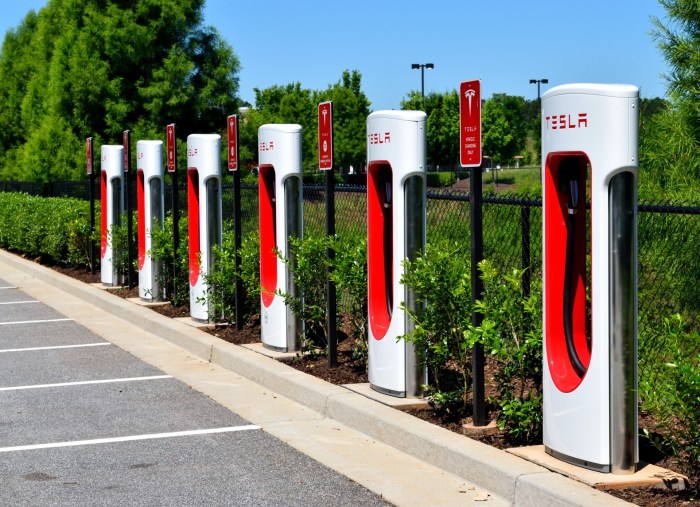
Hybrid Cars are revolutionizing the way we think about driving and environmental responsibility. Combining the power of traditional gasoline engines with electric motors, these vehicles offer a unique solution to the challenges of fuel efficiency and emissions. They not only provide a smoother, quieter ride but also contribute significantly to reducing our carbon footprint.
In this guide, we’ll explore the intricacies of hybrid technology, the different types of hybrids available, and their advantages over traditional vehicles. From the environmental impact to technological advancements, there’s a lot to uncover about how hybrid cars are shaping the future of transportation.
Introduction to Hybrid Cars
Hybrid cars represent a fusion of traditional internal combustion engines and modern electric propulsion systems. They are designed to improve fuel efficiency and reduce emissions by using a combination of power sources, typically a gasoline engine and one or more electric motors. The main components of hybrid cars include the internal combustion engine, electric motor, battery pack, and regenerative braking system, which captures energy usually lost during braking and converts it into electricity to recharge the battery.The significance of hybrid technology in the automotive industry lies in its ability to provide a more sustainable and efficient alternative to conventional vehicles.
As concerns about climate change and fossil fuel dependency grow, hybrid cars play a crucial role in reducing greenhouse gas emissions. They offer a practical solution for consumers seeking to lower their environmental impact without sacrificing the convenience and performance of traditional vehicles. Hybrid technology serves as a bridge towards fully electric vehicles, paving the way for a greener future.
Environmental Benefits of Hybrid Cars
The shift towards hybrid vehicles offers several environmental advantages compared to traditional gasoline-powered cars. These benefits include:
- Reduced Greenhouse Gas Emissions: Hybrid cars produce fewer carbon dioxide emissions than conventional vehicles. For instance, the Toyota Prius has been shown to emit approximately 50% less CO2 than a standard gasoline car, contributing to lower air pollution levels.
- Improved Fuel Economy: By utilizing both an electric motor and a gasoline engine, hybrid cars achieve significantly better fuel efficiency. Many hybrids can achieve over 50 miles per gallon, which not only saves money at the pump but also conserves natural resources.
- Decreased Dependence on Fossil Fuels: The dual power sources in hybrid cars allow for a reduced reliance on gasoline, promoting the use of alternative energy sources. This diversification helps stabilize energy prices and supports energy independence.
- Lower Noise Pollution: Many hybrids operate more quietly than traditional vehicles, particularly in electric mode. This reduction in noise contributes to a more peaceful urban environment.
- Regenerative Braking Efficiency: Hybrid vehicles use regenerative braking systems to convert kinetic energy back into electrical energy, which is then stored in the battery. This process minimizes energy waste and enhances overall vehicle efficiency.
The environmental benefits of hybrid cars highlight their potential to contribute positively to ecological sustainability and energy conservation.
Types of Hybrid Cars
Hybrid cars come in various forms, each designed to cater to different driving needs and preferences. Understanding these types can help consumers make informed choices based on their lifestyle and environmental goals. The main types of hybrid systems include parallel hybrids, series hybrids, and plug-in hybrids, each with its unique mechanics and features.Hybrid systems are primarily characterized by how they combine internal combustion engines with electric propulsion systems.
Each type has its advantages and limitations that affect fuel efficiency, driving range, and charging options. Below is a closer look at each type of hybrid car.
Parallel Hybrids
Parallel hybrids use both the internal combustion engine and the electric motor simultaneously to drive the vehicle. This means that either source can power the car, which can lead to improved fuel efficiency and performance. In many cases, the electric motor assists the gasoline engine during acceleration and can power the vehicle at low speeds. Examples of popular parallel hybrid models include:
- Toyota Prius
- Honda Insight
- Ford Fusion Hybrid
Parallel hybrids are often favored for their simplicity and efficiency, especially in urban driving scenarios where frequent stops and starts are common. They typically have smaller batteries compared to other hybrids, which means they don’t require frequent charging and have a longer driving range.
Series Hybrids
In series hybrids, the internal combustion engine is used solely to generate electricity for the electric motor, which drives the wheels. This design allows for a more efficient energy use since the engine can operate at its optimal performance level without directly powering the vehicle. Notable examples of series hybrids include:
- Chevrolet Volt
- BMW i3 Rex
These vehicles tend to excel in providing electric-only driving for short distances, making them suitable for city driving. The gasoline engine acts more like a generator, which can result in lower emissions and less fuel consumption.
Plug-in Hybrids
Plug-in hybrids (PHEVs) can be charged from an external electrical source, allowing for a larger battery capacity and longer electric-only driving ranges compared to conventional hybrids. They can operate on electric power alone for a certain distance before the gasoline engine kicks in. Popular plug-in hybrid models include:
- Toyota RAV4 Prime
- Ford Escape Plug-In Hybrid
- Hyundai Ioniq Plug-In Hybrid
Plug-in hybrids are ideal for drivers who want the flexibility of both electric and gasoline driving. They can significantly reduce fuel costs and emissions for those who predominantly drive short distances and have access to charging facilities.Each type of hybrid car offers distinct features that cater to different driver preferences, making it crucial to consider driving habits, budget, and environmental impact when choosing the right hybrid vehicle.
Advantages of Hybrid Cars
Hybrid cars offer a range of benefits that make them a popular choice among consumers looking for environmentally friendly and cost-effective transportation. These vehicles combine the efficiency of traditional gasoline engines with electric power, providing advantages that can impact both your wallet and the planet.
Cost Savings Associated with Hybrid Cars
One of the most significant advantages of hybrid cars is the potential for substantial cost savings. Hybrid vehicles are designed to be more fuel-efficient than their traditional counterparts, which translates into less money spent at the gas pump. On average, hybrids can achieve up to 50 miles per gallon or more, depending on the model and driving conditions. This efficiency can save drivers hundreds of dollars annually in fuel costs.
Additionally, various tax incentives and rebates are available for hybrid car owners, making the initial purchase even more appealing. For example, in the United States, federal tax credits can range from $2,500 to $7,500, depending on the battery capacity of the vehicle. Many states also offer their own incentives, which can include grants, tax breaks, or access to carpool lanes.
“The potential annual savings from fuel costs and tax incentives can make hybrid cars an economically wise choice.”
Environmental Impact of Hybrid Vehicles
Hybrid cars are designed with the environment in mind, offering a significant reduction in emissions compared to conventional vehicles. The combination of electric and gasoline power allows hybrids to produce fewer greenhouse gases, contributing to improved air quality and a lower carbon footprint. For instance, some hybrid models emit up to 30% less CO2 than traditional gasoline vehicles, making them a more sustainable option for eco-conscious consumers.This reduction in emissions is particularly important in urban areas, where air pollution can be detrimental to public health.
By driving a hybrid vehicle, individuals can actively participate in reducing the harmful pollutants released into the atmosphere, promoting cleaner air for everyone.
Technological Advancements Enhancing Performance
The technology behind hybrid cars has advanced significantly in recent years, leading to enhanced performance and driving experience. Hybrid vehicles often feature regenerative braking systems, which capture energy typically lost during braking and convert it into electrical energy to recharge the battery. This not only improves fuel efficiency but also increases the lifespan of brake components.Moreover, many hybrids come equipped with sophisticated power management systems that optimize the use of electric and gasoline power.
This smart technology allows for seamless transitions between power sources, providing drivers with smooth acceleration and optimal performance while minimizing fuel consumption.As hybrid technology continues to evolve, features such as improved battery technology, lighter materials, and enhanced aerodynamics are becoming standard. These advancements not only improve efficiency but also increase the overall longevity and reliability of hybrid vehicles.
“Innovative technologies in hybrid cars enhance performance while reducing environmental impact, making them a smart choice for modern drivers.”
Challenges and Limitations of Hybrid Cars

Hybrid cars have gained traction in recent years due to their potential for fuel efficiency and reduced emissions. However, despite their advantages, there are several challenges and limitations that potential buyers need to consider before making a purchase decision. Understanding these factors can help consumers make more informed choices about whether a hybrid vehicle is the right fit for their lifestyle.
Common Misconceptions About Hybrid Vehicles
There are several misconceptions that can cloud the perception of hybrid cars. It’s important to clarify these myths to provide a clearer understanding of what hybrid vehicles truly offer.
-
Hybrid cars are just electric cars with a gasoline engine.
In reality, hybrids utilize both an electric motor and a conventional engine, working in tandem to optimize performance and fuel efficiency.
-
Hybrids are not as powerful as traditional vehicles.
This is misleading; many hybrid models offer impressive acceleration and power, thanks to the instant torque provided by electric motors.
-
Hybrid vehicles are too complicated to maintain.
While they do have additional components, advancements in technology have made maintenance of hybrids similar to that of traditional vehicles.
Battery Life and Charging Infrastructure Limitations
Hybrid cars rely heavily on their battery systems, and while they are improving, there are still significant limitations to consider, especially concerning battery life and charging infrastructure.The lifespan of hybrid batteries can vary significantly, often lasting between 100,000 to 150,000 miles. However, replacement costs can be substantial, sometimes ranging from $3,000 to $8,000, which impacts the long-term ownership costs. Additionally, charging infrastructure can be a concern for some users, particularly in areas where charging stations are scarce.
Although hybrids don’t require charging like pure electric vehicles, the availability of charging options can enhance their efficiency.
Initial Purchase Price Versus Long-Term Financial Implications
The initial purchase price of hybrid vehicles is often higher than that of traditional gasoline cars. This price difference can be attributed to the advanced technology and additional components required for hybrid systems.While the sticker price of a hybrid might deter some buyers, it’s essential to analyze the long-term financial implications. Over time, hybrid cars can lead to savings through reduced fuel costs and potential tax incentives.
According to the U.S. Department of Energy, hybrid drivers can save around $1,500 to $4,000 over a 5-year ownership period compared to traditional vehicles, depending on fuel prices and driving habits. Consideration of factors such as maintenance costs, insurance premiums, and resale values is also crucial, as these can vary widely between hybrids and traditional vehicles. Therefore, the initial cost should be weighed against the potential savings in fuel and maintenance over the vehicle’s lifespan.
Future of Hybrid Cars
The future of hybrid cars looks promising, driven by advancements in technology, increased environmental awareness, and shifting consumer preferences. As the automotive industry continues to evolve, hybrid vehicles are set to play a crucial role in the transition towards more sustainable transportation solutions.Government regulations and incentives significantly shape the hybrid car market. Countries around the world are implementing stricter emissions standards and providing financial incentives for consumers to switch to cleaner vehicles.
This push not only encourages the adoption of hybrid technology but also accelerates innovation within the industry.
Trends in the Hybrid Car Market
The hybrid car market is witnessing several trends that indicate a robust future. Here are some key developments:
- Increased Adoption: As consumers become more environmentally conscious, the demand for hybrid vehicles is steadily increasing. Sales figures from the past few years show a consistent rise, reflecting this shift.
- Technological Advancements: Innovations such as improved battery technology, more efficient powertrains, and enhanced regenerative braking systems are enhancing the performance of hybrid cars, making them more appealing to buyers.
- Diverse Offerings: Manufacturers are expanding their hybrid lineups, offering a wider range of models across different segments, from sedans to SUVs, catering to various consumer needs.
Government Regulations and Incentives
Government policies play a pivotal role in promoting hybrid technology across the globe. These regulations often include:
- Tax Rebates: Many governments offer tax credits or rebates for purchasing hybrid vehicles, significantly lowering the overall cost for consumers.
- Fuel Efficiency Standards: Stricter emissions and fuel efficiency regulations motivate manufacturers to innovate and produce cleaner vehicles, including hybrids.
- Investment in Infrastructure: The development of charging and maintenance infrastructure for hybrids is often supported by government initiatives, making owning a hybrid more convenient.
Manufacturers Innovating Hybrid Performance
Automakers are constantly innovating to improve hybrid vehicle performance. Key strategies include:
- Better Battery Technology: Companies like Toyota and Ford are investing heavily in research to develop batteries with higher energy densities and shorter charging times, enhancing the overall efficiency of hybrids.
- Integration of AI: Artificial intelligence is being utilized to optimize energy management systems in hybrids, allowing for smarter transitions between electric and gasoline power.
- Lightweight Materials: The use of lightweight materials such as carbon fiber and aluminum in hybrid car construction helps improve fuel efficiency and performance without compromising safety.
Hybrid vs. Electric Cars
Hybrid and electric cars represent two distinct approaches to reducing emissions and increasing fuel efficiency. While both vehicle types aim to provide environmentally friendly alternatives to traditional gasoline-powered vehicles, they employ different technologies and cater to varying consumer needs. Understanding these differences can help potential buyers make informed decisions when selecting a vehicle that aligns with their lifestyle and values.Hybrid cars combine an internal combustion engine with an electric motor, allowing them to utilize both power sources for improved fuel efficiency.
In contrast, fully electric vehicles (EVs) rely solely on electricity stored in batteries, producing zero tailpipe emissions. This fundamental difference in technology leads to variations in range, usability, and overall consumer experience.
Technology and Range
The technology behind hybrid and electric vehicles plays a significant role in their performance and practicality.
Hybrid Cars
Typically, hybrids can switch between their gasoline engine and electric motor, which allows for extended driving ranges. For example, models like the Toyota Prius can achieve ranges of over 600 miles on a single tank of gas, aided by battery power during lower speed conditions.
Electric Cars
EVs, such as the Tesla Model 3, rely completely on battery power, which limits their range compared to hybrids, although advancements in battery technology have seen many models exceed ranges of 300 miles per charge. Charging infrastructure is critical for EV usability, as drivers need access to charging stations for longer trips.Consumer preferences have shifted notably in recent years, influenced by factors such as environmental awareness, technological advancements, and market availability.
Consumer Preferences and Market Trends
The growing interest in sustainability has impacted car buying trends significantly.
Hybrid Cars
Many consumers still appreciate hybrids for their flexibility. The ability to drive long distances without the anxiety of running out of battery power makes them attractive for those who frequently travel or live in areas with limited charging stations.
Electric Cars
Meanwhile, electric vehicles are experiencing rapid growth in popularity, driven by increased awareness of climate change and government incentives, such as tax credits and rebates for EV buyers. The rise of charging networks and advancements in battery technology are making EVs more viable for everyday use.Data from the International Energy Agency (IEA) shows that global electric vehicle sales surged by 41% in 2020, showcasing a significant consumer shift towards electric mobility.
Potential Transition from Hybrid to Electric Vehicles
The future of mobility appears to be leaning towards fully electric vehicles. As technology progresses, several factors indicate a potential transition from hybrids to EVs:
Improved Battery Technology
Ongoing advancements in battery efficiency and charging speed are making EVs more appealing. For instance, companies are exploring solid-state batteries, which promise quicker charging times and longer lifespans.
Government Policies and Incentives
Many countries are implementing regulations aimed at phasing out gasoline and diesel vehicles in favor of zero-emission alternatives. This shift encourages consumers to consider electric vehicles as their next purchase.
Environmental Considerations
As awareness of climate issues grows, consumers are increasingly inclined to support fully electric vehicles, which offer a clearer path to reducing carbon footprints.In summary, while hybrid vehicles offer a reliable bridge between traditional and electric options, the rapid evolution of electric vehicle technology and increasing consumer demand suggest a future where fully electric cars become the dominant choice in the automotive market.
Maintenance and Care for Hybrid Cars
Hybrid cars are known for their fuel efficiency and lower emissions, but they also come with unique maintenance needs that differ from traditional gasoline vehicles. Understanding these differences is crucial for ensuring that your hybrid remains in optimal condition and operates efficiently over its lifespan. Proper maintenance not only enhances performance but also extends the life of various hybrid components, particularly the battery system.Maintaining a hybrid vehicle requires attention to both the conventional aspects of car care and the specifics of its electric components.
Hybrid vehicles typically have complex systems that integrate both an internal combustion engine and an electric motor, making their maintenance different from that of regular cars. As a hybrid owner, you should be aware of the essential care routines that will help you manage your vehicle effectively.
Maintenance Needs for Hybrid Vehicles
Hybrid vehicles necessitate special care due to their dual power sources. Here are some key maintenance considerations:
- Battery Health: The hybrid battery, often the most expensive component to replace, requires regular checks. Ensure proper cooling and avoid extreme temperatures which can damage the battery.
- Brake System: Hybrids use regenerative braking, which can wear out brake pads less quickly than traditional brakes. Regularly inspect brake fluid levels and components for any wear.
- Fluid Levels: Check engine oil and coolant levels regularly, as hybrids require specific types of fluids for optimal performance.
- Fuel System: Although hybrids are more fuel-efficient, maintaining the fuel system through regular inspection is essential for engine performance.
- Tire Maintenance: Regularly check tire pressure and tread depth. Properly inflated tires contribute to better fuel efficiency.
Care Tips for Hybrid Components
Taking proactive steps to care for your hybrid’s battery and other components can enhance performance and longevity. Here are some tips to keep your vehicle running smoothly:
- Regular Driving: Try to drive your hybrid regularly to keep the battery charged and the systems functioning well.
- Avoid Short Trips: Short, infrequent trips can prevent the hybrid battery from fully charging; longer drives help maintain battery health.
- Use Original Parts: When replacing components, use manufacturer-recommended parts to avoid compatibility issues.
- Keep It Clean: Regularly wash your hybrid to prevent dirt accumulation, especially around the battery and electrical connections.
Routine Inspections and Maintenance Checklist
To ensure your hybrid vehicle remains in top condition, a routine inspection and maintenance checklist is vital. This checklist will help you keep track of necessary tasks:
- Check battery status and connections.
- Inspect and replace air filters as needed.
- Monitor fluid levels including engine oil, coolant, and brake fluid.
- Examine tire tread and pressure; rotate tires every 5,000 to 7,500 miles.
- Schedule professional inspections every 30,000 miles or as recommended by the manufacturer.
- Test the braking system, including regenerative brakes, to ensure they are functioning correctly.
- Keep an eye on dashboard warning lights and codes, addressing them promptly.
By following these maintenance tips and checklists, hybrid owners can ensure their vehicles remain efficient and reliable for years to come.
Hybrid Cars in Popular Culture
Hybrid cars have made significant inroads into popular culture, often symbolizing a shift toward sustainability and innovation. They appear not only on the roads but also on screens, influencing public perception and encouraging green practices. From blockbuster movies to television shows and social media, hybrid vehicles have been represented in diverse ways, reflecting their growing importance in contemporary society.
Representation in Movies and Television
Hybrid cars frequently make appearances in films and television series, often associated with characters who embody eco-conscious values or cutting-edge technology. These vehicles are showcased as symbols of progress and environmental responsibility.
- Movies: Films like “The Fast and the Furious” franchise feature hybrid cars such as the Toyota Prius, highlighting their performance and versatility. The film “Avatar” also includes hybrid vehicles as part of its futuristic vision.
- Television: Shows such as “The Office” and “Parks and Recreation” frequently depict characters driving hybrid cars, reinforcing the notion that eco-friendly choices are becoming mainstream and relatable.
Influencers Advocating for Hybrid Technology
Numerous figures in the entertainment and environmental sectors advocate for hybrid technology, further promoting its benefits. Notable celebrities and public figures often use their platforms to raise awareness about sustainability and the importance of reducing carbon footprints.
- Leonardo DiCaprio: The Oscar-winning actor is a well-known environmental advocate. He promotes hybrid and electric vehicles through his foundation, raising awareness about climate change and sustainable living.
- Emma Watson: The actress and activist uses her influence to endorse sustainable fashion and eco-friendly products, including hybrid vehicles, as part of her commitment to environmental issues.
Marketing Campaigns for Hybrid Vehicles
Innovative marketing campaigns have played a crucial role in the popularity of hybrid cars, emphasizing their efficiency and eco-friendliness. These campaigns often utilize striking visuals and compelling narratives to connect with consumers.
- Toyota’s “Let’s Go Places” Campaign: This campaign emphasizes adventure and exploration while promoting the Prius, showcasing its capability and environmental benefits.
- Honda’s “The Power of Dreams” Campaign: Honda markets its hybrid models by focusing on innovation and the dream of a sustainable future, positioning their vehicles as a smart choice for forward-thinking consumers.
Ultimate Conclusion
In summary, hybrid cars represent a pivotal shift in the automotive industry, blending efficiency with sustainability. As we continue to face environmental challenges, these vehicles offer a promising solution that benefits both our wallets and the planet. Embracing hybrid technology not only enhances our driving experience but also plays a crucial role in creating a greener future for everyone.
Frequently Asked Questions
What is the average lifespan of a hybrid car battery?
The average lifespan of a hybrid car battery is about 8 to 10 years, depending on usage and maintenance.
Are hybrid cars more expensive to insure?
Insurance costs for hybrid cars can vary, but they are often comparable to traditional vehicles, depending on the model and coverage.
Can hybrid cars run on electric power alone?
Some hybrid cars, specifically plug-in hybrids, can run on electric power alone for a limited range before the gasoline engine kicks in.
Do hybrid cars require special maintenance?
While maintenance for hybrid cars is similar to traditional vehicles, they do require specific care for the battery and hybrid components.
How do hybrid cars perform in cold weather?
Hybrid cars can experience reduced efficiency in cold weather, but they are designed to operate effectively even in low temperatures.