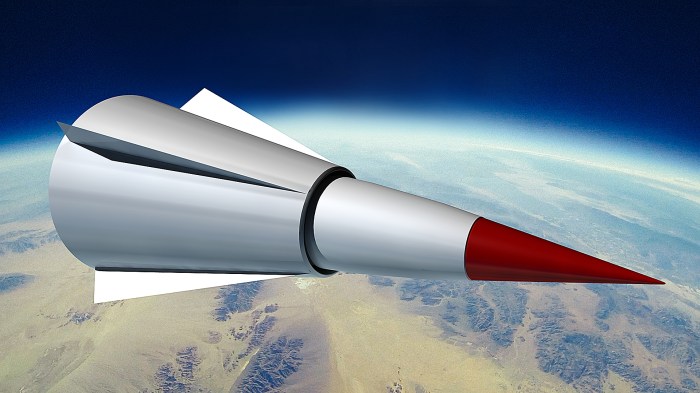
Hypersonic Weapons are revolutionizing the landscape of modern military technology, providing unprecedented speed and maneuverability that traditional weapons cannot compete with. These advanced systems can travel at speeds exceeding Mach 5, making them incredibly difficult to intercept. Understanding the significance, development, and implications of these weapons is crucial as they become a focal point in global defense strategies.
This exploration provides a comprehensive overview of hypersonic technology, detailing different types, challenges faced in their development, and the strategies nations are employing to harness their potential. By diving into the motivations behind their creation and the future trends on the horizon, we uncover a fascinating story of innovation that could shape international relations for years to come.
Introduction to Hypersonic Weapons

Hypersonic weapons represent a groundbreaking advancement in modern military technology, characterized by their ability to travel at speeds greater than Mach 5 (five times the speed of sound). This unique capability not only enhances their effectiveness on the battlefield but also significantly alters the strategic landscape of warfare. With nations striving to develop and deploy these systems, understanding their significance is crucial for comprehending contemporary military dynamics.The development of hypersonic technology has its roots in the Cold War, when both the United States and the Soviet Union began exploring advanced missile technologies.
Initially focused on ballistic and cruise missiles, research gradually expanded to encompass hypersonic systems during the late 20th century. Notable milestones in this evolution include the early concepts of ramjet engines and the successful testing of scramjet technologies. Today, several countries, including the U.S., Russia, and China, are actively engaged in developing hypersonic glide vehicles and cruise missiles, showcasing a rapid acceleration in technological advancements in recent years.
Main Characteristics of Hypersonic Weapons
Hypersonic weapons are distinguished from conventional weapons by several key characteristics. Understanding these distinctions is essential for grasping their strategic implications and operational capabilities.
- Speed: Hypersonic weapons travel at speeds exceeding Mach 5, which allows them to cover vast distances in very short timeframes. This speed presents unique challenges for detection and interception, giving them a strategic edge.
- Manoeuvrability: Unlike traditional ballistic missiles that follow a predictable parabolic trajectory, hypersonic weapons can maneuver mid-flight. This capability makes them harder to track and intercept, increasing their chances of reaching their targets.
- Altitude: Hypersonic systems typically operate in the upper atmosphere, combining characteristics of both ballistic and cruise missiles. This altitude allows them to evade conventional air defense systems.
- Payload Versatility: Hypersonic weapons can be equipped with various payloads, including conventional explosives and potential nuclear warheads, providing flexibility in military operations.
- Reduced Reaction Time: The speed and unpredictability of hypersonic weapons significantly decrease an adversary’s reaction time, complicating defense strategies and enhancing the weapon’s effectiveness.
“Hypersonic weapons redefine the principles of deterrence and defense, compelling nations to rethink their military strategies.”
Types of Hypersonic Weapons
Hypersonic weapons represent a significant leap in military technology, characterized by their capability to travel at speeds greater than Mach
5. This advanced technology is broadly categorized into two primary types
hypersonic glide vehicles (HGVs) and hypersonic cruise missiles (HCMs). Understanding these categories is essential for grasping their operational capabilities, advantages, and how they compare to more traditional missile systems.Hypersonic glide vehicles are designed to be launched into the upper atmosphere, where they then glide back towards their target at hypersonic speeds. Conversely, hypersonic cruise missiles utilize advanced propulsion systems to maintain sustained hypersonic speeds throughout their flight.
Each type has its unique set of operational capabilities and advantages, making them formidable assets in modern warfare.
Hypersonic Glide Vehicles (HGVs)
Hypersonic glide vehicles are launched atop a rocket, which carries them into the atmosphere. Once they reach a predetermined altitude, the HGV separates and glides towards its target. The notable features of HGVs include:
- Speed: HGVs can travel at speeds exceeding Mach 5, allowing them to evade traditional missile defense systems.
- Maneuverability: Unlike ballistic missiles that follow a predictable parabolic trajectory, HGVs can change course mid-flight, making them harder to intercept.
- Precision: HGVs can engage precision strikes against high-value targets, increasing their effectiveness in tactical scenarios.
The operational advantage of HGVs is their ability to combine speed with maneuverability, resulting in a weapon that is both difficult to detect and intercept.
Hypersonic Cruise Missiles (HCMs)
Hypersonic cruise missiles are equipped with air-breathing engines, allowing them to sustain hypersonic speeds over long distances. Key capabilities of HCMs include:
- Extended Range: HCMs can operate over longer distances than HGVs, providing a wider operational envelope.
- Continuous Flight: They maintain hypersonic speeds throughout their flight, making them versatile for various strike missions.
- Adaptable Payloads: HCMs can carry a variety of munitions, from conventional explosives to nuclear warheads, enhancing their strategic value.
The strategic advantage of HCMs lies in their ability to be deployed in various scenarios and their capability to penetrate advanced defense systems effectively.
Comparison with Traditional Missile Systems
When comparing hypersonic weapons to traditional missile systems, such as ballistic and subsonic missiles, several key differences emerge in terms of speed, maneuverability, and effectiveness:
- Speed: Hypersonic weapons travel at speeds greater than Mach 5, while traditional ballistic missiles typically reach speeds of up to Mach 3, and subsonic missiles move at speeds below Mach 1.
- Maneuverability: Hypersonic weapons can change their flight path mid-course, unlike ballistic missiles that follow a predictable arc. Subsonic missiles lack the speed and agility of hypersonic systems.
- Effectiveness: The combination of speed and maneuverability allows hypersonic weapons to evade current missile defense technologies, presenting a significant challenge compared to traditional systems that can often be intercepted.
As military strategies evolve, the role of hypersonic weapons in national defense continues to grow, highlighting the necessity for advanced countermeasures and strategic responses.
Countries Developing Hypersonic Weapons
The race to develop hypersonic weapons has intensified in recent years, with several nations investing heavily in this cutting-edge military technology. Hypersonic weapons, capable of traveling at speeds greater than Mach 5, present unique challenges to existing defense systems, making them a priority for military strategists around the world. This section highlights the leading countries in hypersonic weapon development, their strategic motivations, and specific examples of their current programs.
Leading Nations and Their Programs
A handful of countries have emerged as frontrunners in the development of hypersonic weapons, each with distinct programs and strategic goals.
- United States: The U.S. is home to several hypersonic weapon programs, including the Army’s Long Range Hypersonic Weapon (LRHW) and the Navy’s Conventional Prompt Strike (CPS). These programs aim to enhance military responsiveness and precision strike capabilities against advanced adversaries.
- Russia: Russia has made significant advancements with its Avangard system, which is a hypersonic glide vehicle designed to evade missile defenses. The Kinzhal missile, another hypersonic system, is air-launched and capable of striking land and naval targets rapidly.
- China: China is actively developing hypersonic technology, exemplified by the DF-ZF glide vehicle. This weapon is designed to penetrate enemy defenses and is part of China’s broader strategy to enhance its military capabilities on a global scale.
- India: India is pursuing hypersonic technology through its various projects, including the Hypersonic Technology Demonstrator Vehicle (HSTDV). This initiative aims to advance India’s defense capabilities and position it as a key player in this emerging domain.
Strategic Motivations
The motivations behind the development of hypersonic weapons by these nations are complex and multi-faceted. Several key strategic factors influence their investment in this technology:
- Deterrence: The capability to strike at hypersonic speeds serves as a deterrent against potential adversaries, making it less likely for them to engage in conflict.
- Survivability: Hypersonic weapons are designed to evade current missile defense systems, providing a significant advantage in any potential military engagement.
- Global Power Projection: Nations are increasingly interested in hypersonic technology to assert dominance in regional and global power dynamics, enhancing their ability to project military power.
- Technological Superiority: Developing hypersonic capabilities is seen as essential for maintaining technological superiority over other nations, ensuring a competitive edge in future conflicts.
Examples of Current Hypersonic Weapons
Several nations have transitioned from research and development to active testing or deployment of hypersonic weapons. These examples illustrate the rapid progress being made in this field:
- Avangard (Russia): This hypersonic glide vehicle has been reported as operational, capable of delivering nuclear or conventional payloads with high precision.
- DF-ZF (China): This hypersonic glide vehicle is reportedly able to reach speeds of up to Mach 10 and is designed to evade missile defense systems.
- Long Range Hypersonic Weapon (USA): Currently in testing phases, the LRHW is intended to provide the U.S. Army with a rapid strike capability against high-value targets at great distances.
- HSTDV (India): This experimental vehicle successfully demonstrated hypersonic flight in 2020, showcasing India’s growing capabilities in this arena.
Technical Challenges and Solutions
Developing hypersonic weapons presents numerous engineering challenges that must be addressed to ensure their effectiveness and reliability. One of the primary obstacles is the extreme conditions these weapons must endure during flight, which requires innovative solutions in materials, thermal management, and propulsion systems.The engineering challenges can be grouped into several key areas, including materials limitations, thermal management, and aerodynamic stability.
The materials used in hypersonic weapons must withstand high temperatures and pressures while maintaining structural integrity. This makes the selection of suitable materials a critical component of the design process.
Materials Limitations
The extreme speeds associated with hypersonic weapons generate significant heat due to friction with the atmosphere. This necessitates the use of materials that can endure temperatures upwards of 2,000 degrees Celsius. Traditional materials such as steel or aluminum are inadequate, leading to the exploration of advanced composites and ceramics. Key materials being researched include:
- Carbon-carbon composites: Known for their high thermal resistance, these materials are being tested for use in leading edges and surfaces that experience the highest temperatures.
- Refractory metals: Materials like tungsten or molybdenum, which can withstand extreme heat, are being analyzed for structural components.
- Heat-resistant ceramics: These are being utilized in thermal protection systems to safeguard internal components from heat damage.
Thermal Management
Effective thermal management is crucial for the performance and longevity of hypersonic weapons. As these weapons travel at speeds greater than five times the speed of sound, the heat generated can lead to thermal failure if not properly managed.Innovative solutions for thermal management include:
- Active cooling systems: These systems circulate cool fluids to absorb and dissipate heat, maintaining optimal operating temperatures for sensitive components.
- Thermal protective coatings: Advanced coatings that reflect heat or dissipate it effectively are being developed to protect surface materials.
- Heat sinks: Integrating heat sinks into the weapon’s design can help absorb excess heat from critical components, enhancing overall durability.
Aerodynamic Stability
Maintaining aerodynamic stability at hypersonic speeds is another significant challenge. The flight path can be affected by various factors, including atmospheric conditions and the weapon’s own design.To address these stability issues:
- Active control systems: These systems adjust control surfaces in real-time to maintain stability and trajectory.
- Computational fluid dynamics (CFD) simulations: Advanced simulations help in understanding airflow around the weapon, allowing for better design and control strategies.
- Smart materials: Materials that can change shape or properties in response to environmental conditions are being explored to enhance control during flight.
Research efforts are ongoing to find innovative solutions that can enhance the performance and reliability of hypersonic weapons. Companies and governmental organizations are collaborating to push the boundaries of material science and propulsion technology to meet the demands of hypersonic flight. In the near future, we can expect further advancements in these areas that will enable the successful deployment of hypersonic weapon systems.
Implications for Global Security
The emergence of hypersonic weapons represents a significant shift in the landscape of global security and military strategy. As countries develop these advanced weapons, the implications for international relations and defense tactics become increasingly complex. The ability to strike with unprecedented speed and precision raises both strategic opportunities and concerns about an escalating arms race.The introduction of hypersonic weapons could fundamentally alter military strategy and impact international relations.
These weapons, capable of traveling at speeds greater than Mach 5, challenge existing missile defense systems and create a sense of urgency among nations to enhance their military capabilities. The operational advantages offered by hypersonic technology allow for rapid strikes that could potentially neutralize threats before they can be effectively countered, thereby reshaping deterrence strategies.
Arms Race and Power Dynamics
The development and deployment of hypersonic weapons are likely to trigger an arms race, as countries seek to not only match but also outpace their rivals. This could lead to several critical outcomes:
Increased Military Spending
Nations will allocate significant resources to develop hypersonic technology, which may divert funds from other critical areas such as education or healthcare.
Heightened Tensions
As countries perceive hypersonic capabilities as a threat, this could lead to increased military posturing and a breakdown in diplomatic relations.
Strategic Alliances
Countries may form new alliances or strengthen existing ones based on shared concerns over hypersonic threats, leading to shifts in geopolitical power.
Risk of Miscalculation
The speed and stealth of hypersonic weapons could increase the chances of miscalculation or accidental escalation during crises, as the response time for nations to react diminishes dramatically.
“The speed and unpredictability of hypersonic weapons complicate traditional deterrence models, making it imperative for nations to rethink their strategic frameworks.”
Countermeasures and Defense Strategies
Addressing the challenges posed by hypersonic weapons requires innovative countermeasures and defense strategies. Here are key considerations for nations looking to protect themselves against these advanced threats:
Investing in Advanced Radar Systems
Developing radar technologies capable of detecting hypersonic flight paths is essential for early warning and response. This includes integrating artificial intelligence to enhance tracking capabilities.
Developing Interceptor Technologies
Creating effective interceptors that can target hypersonic weapons in flight will be crucial. This could involve kinetic interceptors or directed energy weapons.
Strengthening Cyber Defense
Nations must bolster their cybersecurity measures to protect critical military infrastructure from potential hypersonic-related cyberattacks.
Enhancing Diplomatic Engagement
Engaging in international dialogues about hypersonic weapons can help to establish norms and agreements that mitigate the risk of escalation.Investing in these areas may not only help to address immediate threats but could also create a more stable global security environment by fostering cooperation among nations facing similar challenges.
Future Trends in Hypersonic Technology
As the global arms race continues to evolve, hypersonic technology stands at the forefront of military innovation. Over the next decade, we can expect significant advancements that will transform these capabilities, integrating them into modern warfare strategies. The increasing focus on speed, precision, and evasion will shape new developments in hypersonic weapons, ensuring that they remain a critical component of national defense.The next phase of hypersonic technological advancement will likely involve improvements in speed, range, and maneuverability.
These capabilities will enhance the effectiveness of hypersonic weapons in both offensive and defensive operations. Additionally, the integration of artificial intelligence (AI) and automation will play a pivotal role in the evolution of hypersonic systems. This will not only streamline the development process but also improve targeting accuracy and response times in dynamic combat environments.
Predicted Advancements and Implications
The anticipated advancements in hypersonic technology present numerous implications for military applications. Below is a table that Artikels potential developments along with their expected impact on military capabilities.
| Advancement | Implications for Military Applications |
|---|---|
| Increased Speed (exceeding Mach 5) | Enhanced strike capabilities, enabling rapid response to threats and reducing adversary reaction times. |
| Improved Maneuverability | Greater evasion of missile defense systems, increasing the likelihood of successful strikes on high-value targets. |
| AI Integration | More effective targeting and real-time decision-making in complex combat scenarios, improving operational effectiveness. |
| Miniaturization of Systems | Development of smaller, more versatile hypersonic weapons that can be deployed from a variety of platforms, increasing strategic options. |
| Enhanced Hypersonic Glide Vehicles (HGVs) | More accurate and unpredictable delivery of payloads, complicating adversary defense strategies. |
The role of artificial intelligence and automation in advancing hypersonic weapons capabilities cannot be overstated. AI will enable these weapons to process vast amounts of data swiftly, allowing for improved target recognition and engagement strategies. Automation will also facilitate rapid launch systems and enhance the resilience of hypersonic platforms against potential countermeasures. As military entities increasingly adopt AI, the complexity and sophistication of hypersonic systems will rise, leading to new tactical paradigms in warfare.In summary, the future of hypersonic technology is poised for transformative advancements that will redefine military strategies and global defense postures.
These developments promise not only to enhance existing capabilities but also to introduce novel approaches to warfare that leverage speed, precision, and artificial intelligence.
Public Perception and Ethical Considerations
The development and potential deployment of hypersonic weapons have sparked significant public interest and concern. As these advanced technologies promise unprecedented speed and precision in military operations, the implications for global security and ethical considerations come to the forefront. Understanding how the public perceives hypersonic weapons and the ethical dilemmas they present is crucial for policymakers and defense agencies alike.Public perception of hypersonic weapons is shaped by various factors, including media portrayals, military transparency, and historical context.
Many individuals view these weapons as a new frontier in warfare, which can be both awe-inspiring and frightening. The rapid advancements in hypersonic technology evoke anxiety about an arms race, where nations might prioritize speed over stability, leading to increased tensions and potential conflicts. Concerns are prevalent regarding the potential for accidental launches or misinterpretations during military engagements, which could escalate situations unexpectedly.
Concerns Surrounding Hypersonic Weapons
Numerous concerns have emerged concerning the use of hypersonic weapons. Highlighting these issues helps in understanding the public sentiment toward such technologies.
- Arms Race: The fear of nations racing to develop more advanced hypersonic capabilities without adequate treaties or controls in place raises alarms about global instability.
- Potential for Misuse: The deployment of hypersonic weapons might lead to scenarios where military leaders opt for rapid strikes based on faulty intelligence, increasing the risk of catastrophic outcomes.
- Lack of Transparency: Limited public knowledge about hypersonic technologies fosters mistrust in governments and military institutions, leading to speculation and fear regarding their use.
- Ethical Warfare: The introduction of such advanced weaponry raises questions about the morality of using technology that may not discriminate effectively between combatants and civilians.
Ethical Implications of Hypersonic Technology
The ethical implications of deploying hypersonic technology in warfare are multifaceted and complex. There are significant considerations regarding how these weapons may alter the nature of conflict.
- Just War Theory: The principles of just war theory, which advocate for proportionality and discrimination in warfare, are challenged by the use of hypersonic weapons that might not allow for such distinctions.
- Accountability: The speed of hypersonic strikes raises questions about accountability in decision-making processes, particularly if autonomous systems are involved.
- Civilian Impact: The potential for collateral damage increases with the rapid deployment of hypersonic weapons, raising ethical concerns on targeting decisions and civilian casualties.
Addressing Public Concern
Governments have a critical role in addressing public concerns surrounding hypersonic arms development and usage. Engaging the populace and establishing trust are essential components of responsible governance in this area.
- Transparency: Open communication about the development, capabilities, and intended use of hypersonic weapons can help demystify these technologies and mitigate fears.
- Public Engagement: Involving citizens in discussions about military advancements and ethical considerations can foster a more informed public and encourage democratic oversight.
- International Cooperation: Pursuing arms control agreements and multinational dialogues can help alleviate fears of an arms race and promote a shared understanding of hypersonic technologies.
Wrap-Up
In summary, Hypersonic Weapons represent not only a leap in military capability but also a new frontier in global security dynamics. As nations race to develop and deploy these technologies, the implications for international stability and military strategy are profound. Understanding the challenges, ethical considerations, and future trends will be essential for policymakers and the public alike as we navigate this complex new era of warfare.
FAQ Corner
What are hypersonic weapons?
Hypersonic weapons are advanced military systems that can travel at speeds greater than Mach 5, offering high speed combined with maneuverability.
How do hypersonic weapons differ from ballistic missiles?
Hypersonic weapons can change trajectory during flight, making them harder to track and intercept compared to ballistic missiles that follow a predictable path.
Which countries are leading in hypersonic technology development?
Countries like the United States, Russia, and China are at the forefront of hypersonic weapons development, each with their own unique programs and strategies.
What are the main challenges in developing hypersonic weapons?
Key challenges include material limitations, thermal management, and ensuring reliable guidance and control at extreme speeds.
What ethical concerns are associated with hypersonic weapons?
Ethical concerns revolve around the potential for escalation in military conflicts, the challenge of controlling such powerful technology, and the implications for civilian safety.