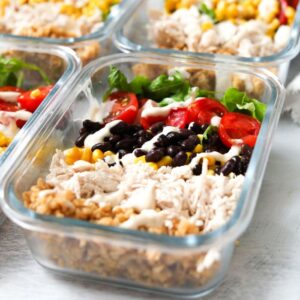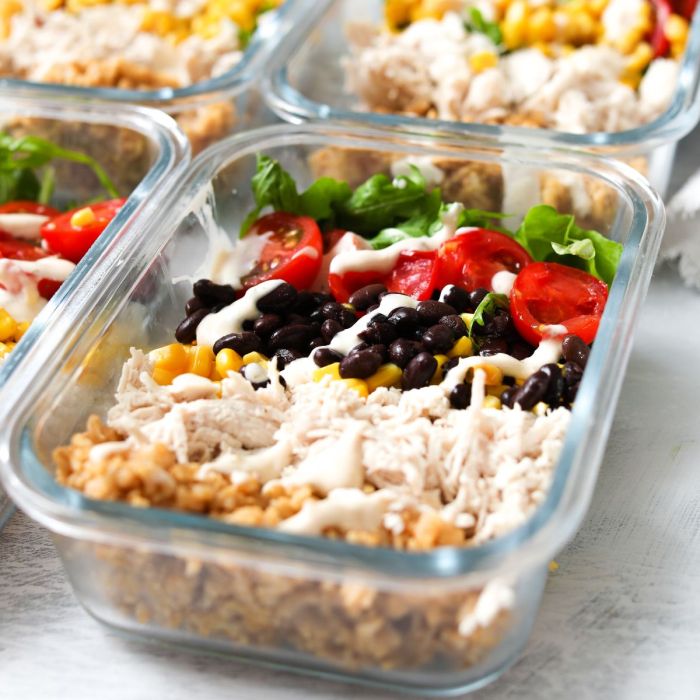
Are you tired of the daily dinner dilemma? Meal Kits Pre-packaged ingredients and recipes for easy home cooking offer a fun and efficient solution for those looking to whip up delicious meals without the usual hassle. These kits come with everything you need—ingredients, recipes, and often even cooking tips—making home cooking an accessible adventure for everyone, from culinary beginners to seasoned chefs.
With a variety of options available, meal kits allow you to explore new cuisines, try your hand at trendy dishes, and enjoy the convenience of pre-measured ingredients that save you time and reduce waste. Whether you’re feeding a busy family or just yourself, there’s a meal kit that can cater to your needs.
Overview of Meal Kits
Meal kits have revolutionized the way we approach home cooking, providing a convenient solution for busy individuals and families. They are collections of pre-packaged ingredients alongside easy-to-follow recipes designed to simplify meal preparation. With meal kits, cooking becomes an accessible and enjoyable experience, eliminating the stress of planning and shopping for meals.The primary benefit of using pre-packaged ingredients is the significant time savings involved in meal preparation.
Everything is portioned, measured, and fresh, which not only streamlines the cooking process but also reduces food waste. For those who may find grocery shopping or meal planning overwhelming, meal kits offer a straightforward alternative. Moreover, the inclusion of diverse recipes encourages culinary exploration, allowing users to try new cuisines and cooking techniques without the commitment of purchasing large quantities of unfamiliar ingredients.
Target Audience for Meal Kits
Meal kits cater to a variety of consumers, appealing especially to specific demographics and lifestyles. Understanding the target audience helps meal kit services tailor their offerings effectively.
1. Busy Professionals
Individuals with demanding jobs often lack the time to plan and prepare meals. Meal kits provide a quick solution that allows them to cook nutritious meals at home without extensive prep time.
2. Families with Children
Parents looking for convenient meal options can benefit from meal kits that include kid-friendly recipes, making family dinners easier and more enjoyable.
3. Health-Conscious Consumers
People focused on maintaining a healthy diet can find meal kits that adhere to specific dietary preferences like vegan, gluten-free, or low-carb. This allows them to manage their nutritional intake more effectively.
4. Culinary Beginners
Those new to cooking appreciate the step-by-step instructions that accompany meal kits. This educational aspect builds confidence in the kitchen and can spark a love for home cooking.
5. Foodies and Culinary Explorers
Enthusiasts looking to expand their culinary skills are drawn to meal kits that offer unique ingredients and recipes from various cuisines. This demographic enjoys experimenting in the kitchen and values the variety meal kits provide.By understanding these audience segments, meal kit companies can design their products to meet the unique needs and cooking preferences of each group, ensuring that home cooking remains a cherished experience for everyone.
Components of Meal Kits
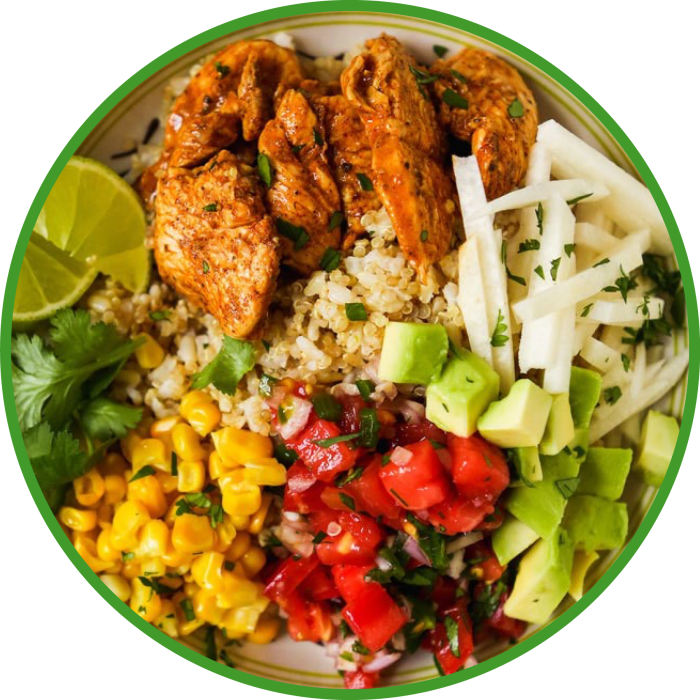
Meal kits are designed to simplify the cooking process by providing all the necessary ingredients and instructions for preparing a meal at home. These kits usually contain a variety of components that contribute to a convenient and enjoyable cooking experience. Understanding the typical ingredients and recipe offerings helps in selecting the right meal kit for your needs.The typical ingredients included in meal kits are carefully measured and prepped to reduce waste and save time.
Most meal kits feature fresh produce, proteins such as chicken, beef, or plant-based options, grains, and sauces or seasonings that bring flavor to the dish. This assortment allows you to create balanced meals without requiring extensive shopping or food preparation.
Typical Ingredients in Meal Kits
Meal kits often contain a range of ingredients that enhance the cooking experience. Here are the common components you can expect to find:
- Fresh Produce: Seasonal vegetables and fruits are a staple, usually sourced locally to ensure peak freshness.
- Proteins: Options vary from meats like chicken, pork, and beef to plant-based proteins like tofu or legumes.
- Grains: Items such as rice, quinoa, or pasta, which serve as the base for many meals.
- Spices and Seasonings: A variety of herbs, spices, sauces, or marinades are included to enhance flavor without the need for stockpiling pantry items.
- Recipe Cards: Detailed instructions that guide you through the cooking process, often including cooking times and tips for best results.
Recipe Offerings with Ingredients
Each meal kit comes with a recipe that is curated to pair well with the provided ingredients, making it easy for you to create delicious meals at home. These recipes typically include step-by-step instructions that cater to various skill levels, ensuring everyone can participate in the cooking process.Meal kits often feature diverse cuisines, allowing you to explore different flavors and cooking techniques.
The recipe cards also include nutritional information, which is helpful for those monitoring their dietary intake.
Popular Meal Kit Brands and Their Offerings
Several brands have emerged in the meal kit delivery market, each with its unique offerings. Here are some popular options:
- Blue Apron: Known for its chef-designed recipes, Blue Apron offers a variety of meal plans, including vegetarian and family-friendly options.
- HelloFresh: This brand focuses on providing fresh ingredients with easy-to-follow recipes, catering to different dietary preferences.
- Sun Basket: Emphasizing organic and clean ingredients, Sun Basket provides meals tailored to specific dietary needs, such as keto, paleo, or vegan.
- Home Chef: Offers customizable meal kits that allow you to choose dishes based on likes and dietary restrictions, with a focus on flexibility.
These brands not only provide convenience but also inspire home cooks to try new recipes and ingredients they may not typically consider. By selecting a meal kit, you can enhance your cooking skills while enjoying a variety of wholesome meals.
Advantages of Meal Kits
Meal kits have quickly gained popularity for their convenience, especially among busy individuals and families. These pre-packaged meal solutions provide a range of benefits that can simplify meal preparation, reduce food waste, and even save you money, making them an attractive choice for those looking to streamline their cooking experience.
Time-Saving Benefits
For many, the busiest part of the day revolves around mealtime. Meal kits are designed to save you time by eliminating the need for extensive grocery shopping and meal planning. Each kit comes with pre-portioned ingredients and easy-to-follow recipes that allow you to prepare meals in as little as 30 minutes. This is particularly beneficial for busy professionals or families juggling multiple schedules.
Instead of spending hours planning meals and choosing ingredients, you can quickly unpack your meal kit and get started right away.
Reduction of Food Waste
One significant advantage of meal kits is their ability to reduce food waste. Traditional grocery shopping often leads to purchasing items in bulk, which can result in unused ingredients going bad before they’re consumed. Meal kits provide precisely measured ingredients tailored to the recipe, ensuring that you use everything included in the box. This helps to minimize food waste, not only saving you money but also contributing positively to the environment.
By using meal kits, households can drastically cut down their food waste, which in the U.S. alone is estimated at 30-40% of the food supply.
Cost-Effectiveness Compared to Traditional Grocery Shopping
Many people wonder if meal kits are financially viable when compared to traditional grocery shopping. While some may perceive meal kits as an additional expense, they can often be cost-effective in the long run. By providing the exact amount of ingredients needed, meal kits help prevent impulse buying and reduce the likelihood of excess food purchases that go to waste.
When evaluating costs, consider the following points:
- Meal kits frequently offer promotions or discounts for first-time users, making them more economical initially.
- By avoiding unnecessary grocery store trips, you save on transportation costs and time, which can be translated into monetary value.
- When you factor in the convenience of pre-measured ingredients and time saved, some families may actually find meal kits to be a budget-friendly option.
Ultimately, the value of meal kits lies in their ability to balance convenience, sustainability, and cost, making them a worthwhile option for many households seeking an easier way to enjoy home-cooked meals.
Meal Kit Preparation Process
Preparing a meal using a meal kit can be a rewarding and straightforward experience. With all the ingredients pre-portioned and ready to go, it’s all about following the steps laid out in your recipe card. This process allows you to enjoy the fun of cooking without the hassle of grocery shopping or meal planning. Here’s a guide to help you smoothly navigate meal kit preparation.
Step-by-Step Guide to Meal Preparation
Follow these steps for a seamless cooking experience with your meal kit:
- Gather Your Ingredients: Open your meal kit and take out all the ingredients. Check to ensure you have everything listed in the recipe card.
- Read the Recipe Card: Familiarize yourself with the cooking instructions. Knowing the process will help prevent surprises during cooking.
- Prep Your Workspace: Clear your kitchen counters and set out all necessary tools like pots, pans, and utensils. This creates an organized cooking environment.
- Wash and Chop Ingredients: Rinse any fresh produce and chop as needed. Having ingredients prepped ahead of time makes cooking more efficient.
- Follow the Cooking Instructions: Start cooking according to the steps on the recipe card, paying attention to timing and techniques.
- Plate and Serve: Once cooked, plate your meal attractively and serve. Enjoy your delicious home-cooked dish!
Efficient Kitchen Setup Tips
An organized kitchen can enhance your meal kit experience. Here are some tips to set up your kitchen effectively:
“A well-organized kitchen is the backbone of efficient cooking.”
- Clear the Clutter: Remove unnecessary items from your counters to create a spacious work area.
- Gather Tools: Ensure you have essential cooking tools like knives, cutting boards, pots, and measuring cups within easy reach.
- Arrange Ingredients: Lay out the ingredients in the order they will be used. This streamlines the cooking process.
- Preheat Appliances: Preheat your oven or stovetop before starting if the recipe requires it, saving time during cooking.
Customizing Meal Kits for Personal Tastes
Meal kits offer flexibility for customization, allowing you to tailor meals to your dietary preferences. Here are some methods to personalize your meal kits:
“Customization is key to making a meal truly yours.”
- Swap Ingredients: If you dislike certain items, feel free to replace them with similar alternatives that you enjoy.
- Add Extra Spices: Enhance flavors by incorporating your favorite spices or herbs to the dish.
- Modify Cooking Techniques: If you prefer a different cooking method, such as grilling instead of baking, adapt the instructions accordingly.
- Adjust Portion Sizes: If you’re cooking for fewer people, consider halving the recipe or saving leftovers for later.
Nutritional Aspects of Meal Kits
Meal kits have gained popularity for their convenience, but they also play a significant role in promoting healthier eating habits. By providing pre-portioned ingredients along with recipes, meal kits encourage home cooking, which can lead to more nutritious meals as compared to dining out or ordering takeout. This section delves into the nutritional advantages of meal kits and highlights common dietary options available to cater to various preferences.
Facilitation of Healthier Eating Choices
Meal kits facilitate healthier eating choices by empowering consumers to prepare meals using fresh, whole ingredients. Unlike many fast-food options, meal kits often prioritize quality produce, lean proteins, and whole grains. This enables home cooks to avoid preservatives and unhealthy additives commonly found in pre-packaged foods.
One key aspect of meal kits is the nutritional information provided with each kit. Typically, meal kits come with detailed nutritional breakdowns, including calories, macronutrients (proteins, fats, carbohydrates), and sometimes even micronutrients (vitamins and minerals). This transparency allows individuals to make informed choices based on their dietary needs. For example, a meal kit may indicate that a serving contains 450 calories, 25 grams of protein, and 15 grams of fat, which can help individuals track their intake according to health goals.
Common Dietary Options
Meal kits cater to a variety of dietary preferences and restrictions, making it easier for people to stick to their nutritional plans. Here are some common options available in meal kits:
- Vegetarian: Many meal kits provide vegetarian options that include a variety of plant-based proteins such as beans, lentils, and tofu, alongside fresh vegetables and grains.
- Vegan: Vegan meal kits exclude all animal products, offering fully plant-based meals that promote health while accommodating ethical eating.
- Gluten-Free: For those with gluten sensitivities or celiac disease, gluten-free meal kits typically utilize alternative grains like quinoa or rice, ensuring safe and nutritious dining.
In addition to these specific diets, some meal kits may also focus on low-calorie, low-carb, or high-protein options, appealing to individuals with specific health goals. By offering these diverse choices, meal kits make it easier for consumers to maintain a balanced diet while enjoying the cooking experience.
Meal kits not only simplify cooking but also enhance the overall nutritional quality of meals, promoting healthier eating habits.
Environmental Impact of Meal Kits
Meal kits have gained popularity not only for their convenience but also for their potential to impact the environment. As consumers become more aware of sustainability issues, meal kit providers are increasingly adopting practices that minimize their environmental footprint. This section delves into the sustainability practices of meal kit providers, the materials used for packaging, and a comparison of meal kits with traditional grocery shopping.
Sustainability Practices of Meal Kit Providers
Many meal kit providers are committed to sustainability through various initiatives. They often focus on sourcing ingredients locally to reduce transportation emissions and support local farmers. Additionally, numerous companies have established partnerships with organizations that promote organic farming and sustainable practices. Meal kit providers typically engage in the following practices:
- Local Sourcing: Ingredients are often sourced from nearby farms to lower carbon emissions associated with transportation.
- Seasonal Menus: By offering recipes based on seasonal produce, meal kits help reduce the carbon footprint associated with out-of-season ingredient transportation.
- Waste Reduction: Many meal kits aim to minimize food waste by delivering exact portion sizes, which is beneficial for both the consumer and the environment.
Recyclable and Biodegradable Packaging
The packaging used in meal kits has a significant impact on their environmental footprint. To combat waste, many meal kit companies have transitioned to recyclable or biodegradable packaging materials. Providers are increasingly opting for materials like compostable bags and boxes made from recycled content. Key packaging innovations include:
- Recyclable Containers: Many meal kits utilize containers that can be easily recycled, reducing landfill waste.
- Biodegradable Insulation: Instead of traditional Styrofoam, some companies use biodegradable insulation made from plant-based materials to keep ingredients fresh.
- Minimalist Packaging: Some meal kits focus on reducing packaging volume, using less material while still ensuring that the ingredients are protected during transit.
Environmental Footprint Comparison
When comparing the environmental impact of meal kits to traditional grocery shopping, several factors come into play. Meal kits often result in less food waste since they provide pre-measured ingredients, which can lead to more efficient use of food resources. Studies indicate that home cooking from meal kits can help reduce the amount of food that ends up in landfills.
In terms of overall environmental footprint, consider the following aspects:
- Transportation Emissions: Meal kits typically involve less transportation per unit of food compared to conventional grocery shopping, especially if sourcing is local.
- Food Waste: Traditional grocery shopping often leads to excess purchases and spoilage; meal kits help mitigate this by providing precise quantities.
- Energy Use: Cooking at home with meal kits can be more energy-efficient than driving to and from the grocery store or using energy to keep large quantities of ingredients fresh.
Future Trends in Meal Kits
As the meal kit industry evolves, several exciting trends are emerging that are reshaping the landscape of home cooking. With changing consumer preferences, technological advancements, and a focus on sustainability, meal kits are becoming more innovative and tailored to meet the needs of today’s consumers. This section will delve into these future trends, highlighting key developments that are expected to influence the market.
Emerging Trends in Meal Kits
The meal kit industry is adapting to dynamic consumer demands, which is evident in several emerging trends. These trends not only enhance convenience but also promote healthier eating habits and sustainability.
- Personalization: Meal kit providers are utilizing customer data to create personalized menus that cater to dietary preferences and restrictions. For instance, companies like HelloFresh and Blue Apron now offer options for vegan, gluten-free, and keto diets, allowing consumers to enjoy meals that align with their lifestyle choices.
- Focus on Health and Wellness: With a growing awareness of health, meal kits are incorporating more fresh ingredients and superfoods. Brands are emphasizing organic produce and nutrient-rich recipes, appealing to health-conscious consumers.
- Global Flavors: Consumers are increasingly looking for diverse culinary experiences. Meal kits are expanding their offerings to include international cuisines, introducing consumers to new flavors and cooking techniques. Companies like Sun Basket and Green Chef have highlighted Mediterranean and Asian-inspired dishes to cater to this trend.
Innovations in Delivery and Technology
Advancements in technology are transforming how meal kits are delivered and experienced. The integration of smart technology and apps not only enhances convenience but also streamlines the cooking process.
- Smart Packaging: Some meal kit companies are now using smart packaging that includes QR codes or chips. These features allow customers to scan their meals and access cooking instructions, nutrition information, and even video tutorials, making the cooking experience more interactive.
- Flexible Delivery Options: To cater to varied consumer schedules, meal kit services are offering more flexible delivery options, including same-day or next-day delivery. This responsiveness allows customers to receive their kits when it suits them best, enhancing user satisfaction.
- Subscription Models: Many meal kit services are experimenting with subscription models that allow consumers to customize the frequency and quantity of their deliveries. This flexibility encourages customers to stay engaged without the commitment of a long-term subscription.
Adapting to Changing Consumer Preferences
Meal kits are quickly adapting to the shifting landscape of consumer preferences, ensuring they remain relevant and appealing.
- Sustainability Efforts: An increased consumer focus on environmental issues has prompted meal kit companies to adopt sustainable practices. This includes using eco-friendly packaging and sourcing ingredients from local farms, significantly reducing their carbon footprint.
- Plant-Based Options: The rise in vegetarianism and veganism has led meal kit services to expand their plant-based offerings. Companies are recognizing the demand for meals that focus on vegetables and plant proteins, catering to the ethical and health concerns of consumers.
- Convenience Over Complexity: As more people embrace busy lifestyles, meal kits are simplifying their offerings to ensure quick and easy preparation without sacrificing quality. This trend is evident in the rise of “one-pan” meals and pre-prepped ingredients that streamline cooking and clean-up.
Last Point
In summary, meal kits are transforming the way we think about home cooking. They provide an effortless way to enjoy diverse and healthy meals while minimizing the stress of meal planning and grocery shopping. So why not give them a try and discover how easy it can be to create mouth-watering dishes at home?
Frequently Asked Questions
What are meal kits?
Meal kits are packages that include pre-measured ingredients and recipes, designed to make home cooking easier and more enjoyable.
Are meal kits suitable for families?
Yes, many meal kit services cater specifically to families, offering larger portions and kid-friendly recipes.
Can I customize my meal kit?
Most meal kit services allow you to customize your selections based on dietary preferences and restrictions.
How do meal kits help reduce food waste?
Meal kits provide exactly the amount of ingredients you need for each recipe, minimizing excess food that often goes unused.
Are meal kits cost-effective?
While meal kits can be more expensive than traditional grocery shopping, they can save you time and reduce food waste, offering an overall value for many consumers.