Sustainable Agriculture is not just a buzzword; it’s a vital approach to farming that seeks to balance the needs of the environment, economy, and society. By adopting practices that protect natural resources while also ensuring food security, sustainable agriculture is reshaping the landscape of modern farming.
This approach encompasses a variety of principles and methods, from crop rotation to organic farming, and emphasizes the importance of biodiversity and soil health. It’s all about creating systems that are not only productive but also resilient and sustainable for future generations.
Introduction to Sustainable Agriculture
Sustainable agriculture is a holistic approach to farming that seeks to balance the need for food production with the preservation of environmental quality. It emphasizes the importance of meeting current food demands without compromising the ability of future generations to meet their own needs. As modern farming practices evolve, the adoption of sustainable methods becomes increasingly critical in addressing the challenges posed by climate change, resource depletion, and biodiversity loss.The principles of sustainable agriculture differ significantly from conventional farming methods, focusing on ecological balance, social equity, and economic viability.
Sustainable agriculture promotes practices that enhance soil health, conserve water, and reduce dependency on chemical inputs. By fostering biodiversity and maintaining ecosystem functions, it aims to create resilient agricultural systems that can withstand environmental stresses.
Impact on Environmental Sustainability
The impact of sustainable agriculture on the environment is profound and multifaceted. Sustainable farming practices contribute to soil preservation, water conservation, and biodiversity enhancement. These practices not only improve the health of the ecosystem but also ensure the long-term viability of agricultural land.For instance, crop rotation and cover cropping are sustainable techniques that improve soil fertility and reduce erosion. These practices prevent nutrient depletion and enhance the soil’s organic matter content, ultimately leading to more productive and resilient cropping systems.
The reduction of chemical fertilizers and pesticides further minimizes pollution and promotes a healthier environment.The implementation of sustainable agriculture can have a significant impact on food security as well. By increasing the diversity of crops and maintaining local food systems, sustainable practices ensure communities have access to a variety of nutritious foods. This diversity helps mitigate risks associated with monocultures, such as crop failure due to pests or climate factors.
“Sustainable agriculture is not just a practice; it’s a philosophy that integrates environmental health, economic profitability, and social equity.”
Additionally, sustainable agriculture encourages local food production, which reduces the carbon footprint associated with transporting food over long distances. By connecting consumers with local producers, communities can foster economic resilience and enhance food sovereignty. Through these practices, sustainable agriculture supports a healthier planet, promotes social equity, and secures food resources for future generations. It represents a crucial shift towards responsible farming that respects both our environment and the needs of society.
Methods of Sustainable Agriculture
Sustainable agriculture involves various practices aimed at creating a more environmentally friendly and socially responsible farming system. These methods not only focus on producing food but also on protecting the ecosystems and communities involved in agricultural processes. By employing sustainable agricultural practices, farmers can maintain soil health, grow diverse crops, and reduce their reliance on synthetic inputs.
Crop Rotation and Organic Farming
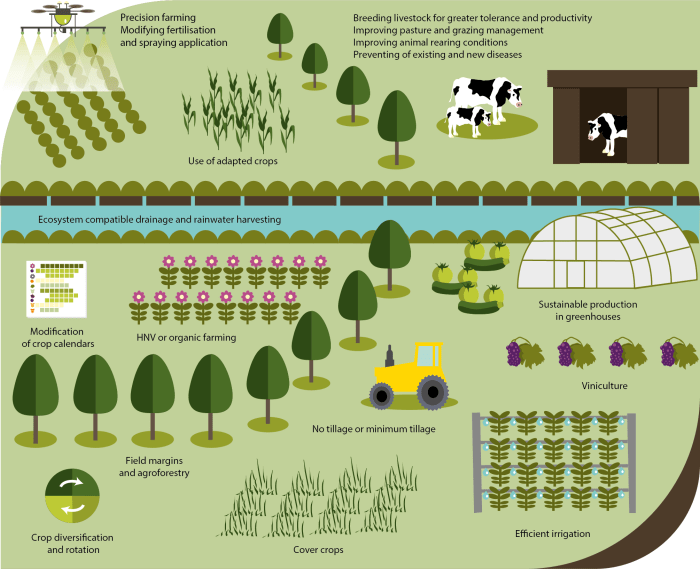
Crop rotation is a vital practice within sustainable agriculture that involves alternating the types of crops grown in a particular area across different growing seasons. This method helps prevent soil depletion, disrupt pest and disease cycles, and improve soil fertility. For instance, rotating legumes, which fix nitrogen in the soil, with cereal crops can enhance nutrient availability. Organic farming complements crop rotation by avoiding synthetic fertilizers and pesticides, thus promoting biodiversity and improving soil health.
Agroforestry and Permaculture
Agroforestry integrates trees and shrubs into agricultural landscapes, offering multiple benefits such as improved biodiversity, enhanced soil structure, and increased carbon sequestration. This method can help create a habitat for wildlife and reduce erosion. Examples of agroforestry systems include alley cropping, where crops are grown between rows of trees, and silvopasture, which combines trees with livestock grazing. Permaculture focuses on designing agricultural systems that mimic natural ecosystems, promoting sustainability through closed-loop cycles.
It emphasizes the efficient use of resources, waste recycling, and the creation of self-sustaining agricultural systems.
Sustainable Livestock Management Techniques
Sustainable livestock management prioritizes animal welfare, environmental stewardship, and economic viability. Some effective techniques include rotational grazing, which allows pasture recovery and minimizes overgrazing. Additionally, integrated pest management (IPM) can be employed to control parasites without harmful chemicals. Practices like utilizing local breeds that are well-adapted to specific environments can enhance resilience and reduce the need for external inputs. For example, some farmers practice multi-species grazing where different types of livestock graze together, benefiting from the variety of forage and improving land use efficiency.
Benefits of Sustainable Agriculture
Sustainable agriculture offers a myriad of advantages that extend beyond just farming practices. By prioritizing environmental health, economic viability, and social equity, sustainable agriculture creates a holistic approach that benefits farmers, consumers, and the planet alike. Understanding these benefits is crucial for anyone interested in promoting better agricultural practices.
Environmental Benefits
Sustainable agriculture plays a pivotal role in enhancing the environment. One of its primary advantages is the improvement of soil health and biodiversity. Practices like crop rotation, cover cropping, and reduced chemical use contribute to healthier soils, which are essential for producing nutrient-rich crops.
- Soil Health: Sustainable methods enrich soil organic matter, enhance nutrient retention, and reduce erosion. Healthy soil acts as a carbon sink, capturing carbon dioxide from the atmosphere and mitigating climate change.
- Biodiversity: Diverse cropping systems encourage beneficial microorganisms and insects, which can help control pests naturally. This biodiversity leads to more resilient ecosystems capable of withstanding environmental stressors.
- Water Conservation: Sustainable practices such as rainwater harvesting and drip irrigation minimize water waste and improve water quality by reducing runoff and pollution.
Economic Advantages
Farmers adopting sustainable practices often discover significant economic benefits. While the initial investment might be higher, the long-term savings and profitability are compelling.
- Cost Reduction: By reducing dependence on chemical fertilizers and pesticides, farmers can significantly lower input costs. Moreover, sustainable practices often lead to lower water and energy bills.
- Market Demand: There is an increasing consumer demand for organic and sustainably-produced foods. Farmers who transition to sustainable practices can often command higher prices for their products.
- Resilience to Market Fluctuations: Sustainable practices, such as crop diversification, allow farmers to reduce risk by not relying solely on a single crop, securing their income against market shocks.
Social Impacts
The social dimensions of sustainable agriculture cannot be overlooked. It fosters community engagement and improves food access, ultimately contributing to healthier societies.
- Community Engagement: Sustainable agriculture often encourages local food systems, where communities support local farmers, fostering a sense of community and belonging.
- Food Access: By promoting practices that support local production, sustainable agriculture helps improve access to fresh produce in underserved areas, addressing food deserts.
- Health Benefits: Healthier farming practices lead to the production of nutritious food, which contributes to better health outcomes in communities.
Embracing sustainable agriculture is not just about growing food; it’s about nurturing the planet and building prosperous communities.
Challenges to Implementing Sustainable Agriculture
Transitioning to sustainable agriculture offers numerous benefits, but it also presents a range of challenges that farmers must navigate. These challenges can vary significantly depending on the region, the scale of operation, and the local agricultural practices. Understanding these barriers is crucial for developing effective strategies to promote sustainability in farming.Farmers face several barriers when attempting to adopt sustainable agricultural practices.
One major issue is the initial investment required to implement new methods, which can be a substantial hurdle for many small-scale farmers. Additionally, there is often a lack of access to technical support and education on sustainable techniques. The transition can involve a steep learning curve, and without adequate resources, farmers may feel overwhelmed by the changes needed to their traditional practices.
Financial Challenges in Promoting Sustainability
Financial constraints pose significant obstacles to implementing sustainable agriculture. Farmers may encounter various fiscal barriers, including the high costs associated with organic certification, purchasing sustainable seeds, and investing in eco-friendly technology. Financial institutions often lack familiarity with sustainable practices, making it difficult for farmers to secure loans or grants for these initiatives. The following points illustrate financial challenges in detail:
- Initial Costs: The transition to sustainable practices often requires substantial upfront investment in equipment and training, which can deter farmers operating on tight budgets.
- Market Access: Sustainable products may have limited market access, affecting profitability and discouraging investment in sustainable practices.
- Insurance and Risk: Many insurance companies are hesitant to cover innovative farming methods, leaving farmers vulnerable to loss and financial instability.
Policy-Related Challenges in Sustainable Practices
Government policies can significantly influence the adoption of sustainable agriculture. Many regions lack supportive policies or incentives that encourage farmers to shift towards more sustainable practices. Regulations that prioritize conventional farming methods can further complicate the transition.Key policy-related challenges include:
- Subsidy Structures: Existing agricultural subsidies often favor conventional farming, leading to economic disparities for those who wish to pursue sustainable practices.
- Regulatory Burden: Overly complex regulations can create barriers for farmers looking to implement sustainable methods, discouraging participation in eco-friendly programs.
- Lack of Research Funding: Insufficient government funding for research into sustainable practices limits the availability of resources and information for farmers.
Cultural Perceptions of Sustainable Agriculture
Cultural perceptions of sustainable agriculture vary widely across different regions, which can affect the acceptance and implementation of these practices. In some areas, sustainable agriculture is viewed as a progressive approach that enhances community health and environmental quality. Conversely, in regions where conventional farming is deeply rooted, sustainable practices may be met with skepticism.Cultural perceptions can be influenced by several factors:
- Tradition vs. Innovation: Regions with a strong agricultural heritage may resist changes to traditional farming methods, viewing modern sustainable practices as unnecessary or risky.
- Community Education: Areas with robust education programs on sustainability often see more positive attitudes towards sustainable agriculture.
- Economic Incentives: When communities witness economic benefits from sustainable practices, such as improved crop yields or access to new markets, acceptance tends to increase.
Innovations and Technologies in Sustainable Agriculture
The agricultural landscape is evolving rapidly with advancements in technology that promote sustainability. Innovations in farming not only enhance productivity but also ensure that resources are used more efficiently. These technologies are essential in addressing some of the pressing challenges of modern agriculture, including climate change, resource scarcity, and food security.
Precision Agriculture Technologies
Precision agriculture, often referred to as smart farming, employs sophisticated tools and techniques to optimize field-level management regarding crop farming. This approach utilizes various technologies to monitor and manage variability in crops, ensuring that the right amount of inputs is applied at the right time.Key components of precision agriculture include:
- GPS Technology: Global Positioning System (GPS) helps farmers in mapping fields to understand variability and manage resources accordingly.
- Remote Sensing: This involves using satellite or drone imagery to assess crop health, moisture levels, and nutrient needs without the need for extensive fieldwork.
- Variable Rate Technology (VRT): VRT allows the application of inputs such as fertilizers and pesticides at varying rates across a field, optimizing resource use and minimizing waste.
These technologies lead to reduced environmental impact and increased crop yields.
Role of Biotechnology in Sustainable Agriculture
Biotechnology plays a crucial role in enhancing sustainable agricultural practices by developing crops that are resilient to pests, diseases, and adverse environmental conditions. This method includes genetic modification, marker-assisted selection, and other biotechnological techniques to create crops with desirable traits.Examples of biotechnology applications include:
- Genetically Modified Organisms (GMOs): Crops engineered for pest resistance reduce the need for chemical pesticides, lowering environmental contamination.
- Drought-resistant Crops: Bioengineered varieties can withstand water scarcity, making farming viable in drought-prone regions.
- Nutrient-enhanced Crops: Biotechnology can increase the nutritional value of crops, addressing malnutrition in various parts of the world.
These innovations contribute to sustainable food production while addressing global food security challenges.
Innovative Solutions for Water Conservation
Water scarcity is a significant challenge in agriculture, and innovative solutions are critical for sustainable farming. Technologies that promote water conservation not only safeguard this essential resource but also enhance crop resilience.Effective water conservation methods include:
- Drip Irrigation: This method delivers water directly to the plant’s root zone, reducing water waste and evaporation.
- Rainwater Harvesting: Collecting and storing rainwater can supplement irrigation needs and reduce dependency on groundwater.
- Soil Moisture Sensors: These devices monitor soil moisture levels, allowing farmers to irrigate only when necessary, thus conserving water.
Implementing these technologies can significantly enhance water-use efficiency in agriculture.
Advancements in Pest Management
Innovative pest management solutions are essential for maintaining crop health while minimizing environmental impact. Integrated Pest Management (IPM) systems combine biological, cultural, and chemical practices to manage pest populations sustainably.Key pest management advancements involve:
- Biological Control Agents: Utilizing natural predators or parasites to control pest populations can reduce reliance on synthetic pesticides.
- Pest Forecasting Models: Advanced modeling techniques help predict pest outbreaks, allowing for timely interventions that minimize pesticide use.
- Smart Traps and Monitoring: IoT-enabled traps provide real-time data on pest activity, enabling targeted pest management strategies.
These advancements contribute to a more sustainable approach to pest management, aligning with the principles of sustainable agriculture.
Case Studies of Successful Sustainable Agriculture Practices
Sustainable agriculture has proven its worth through numerous successful practices around the globe. These case studies highlight farms that have effectively adopted sustainable techniques, showcasing their benefits and the lessons learned from their experiences. By examining these examples, other farmers can find inspiration and applicable strategies in their pursuit of sustainability.One remarkable instance of successful sustainable agriculture is found in the Netherlands, where the concept of “precision agriculture” has been embraced.
This method utilizes technology to optimize field-level management regarding crop farming. Farmers in this region use data-driven approaches such as soil sensors and satellite imagery to monitor crop health and soil conditions. This has led to significant reductions in water usage and fertilizer application, resulting in increased yields while minimizing environmental impact.
Successful Examples from Various Regions
Understanding the diverse applications of sustainable practices can provide significant insights into their effectiveness. Here are notable examples from different regions that have made strides in sustainable agriculture:
- Rodale Institute, USA: This non-profit organization is a leader in organic farming. It has been conducting farming trials for over 40 years, demonstrating that organic methods can yield comparable, if not superior, results to conventional farming. Their experiments have shown that organic farming improves soil health and increases resilience against climate change.
- Terra Firma Farm, California, USA: This family-owned farm utilizes Community Supported Agriculture (CSA) to connect consumers directly with their food source. By growing a wide variety of crops and practicing crop rotation, they maintain soil fertility and biodiversity, while also reducing dependency on chemical fertilizers.
- Hacienda La Esmeralda, Panama: Known for its high-quality coffee, this farm implements sustainable practices focused on biodiversity. By integrating shade-grown coffee with native trees, they enhance the ecosystem, which not only benefits the coffee plants but also supports local wildlife, thus promoting a balanced environment.
- Farming Systems Trial, Massachusetts, USA: This project compares organic farming systems with conventional ones. The findings show that organic systems can reduce the need for external inputs and can be equally productive, emphasizing the benefits of biodiversity and soil health.
- Ecological Farm, UK: This farm showcases agroecology principles by implementing techniques such as permaculture and agroforestry. By combining crops and livestock in a harmonious system, they maximize resource use and enhance farm resilience.
Each of these examples contributes valuable lessons to the broader conversation about sustainable agriculture. The emphasis on biodiversity, soil health, and community engagement emerges as key themes. Implementing such practices can lead to improved productivity, environmental stewardship, and enhanced food security.
Lessons Learned and Applicability
The case studies reveal several common themes and lessons that can be applied universally:
- Emphasis on Soil Health: Maintaining soil fertility through organic practices enhances crop yields and resilience. Techniques such as cover cropping and reduced tillage are beneficial across different contexts.
- Biodiversity is Key: Diverse cropping systems can minimize pest outbreaks and enhance ecosystem services. Farms that cultivate a variety of plants tend to have better pest control and improved pollination.
- Community Engagement: Establishing connections between farmers and consumers fosters a sustainable food system. Programs like CSA not only provide fresh produce but also educate consumers about sustainable practices.
- Technology Utilization: Adopting precision agriculture technologies can optimize resource use. Tools like drones for monitoring and soil moisture sensors can significantly enhance farming efficiency.
- Long-Term Planning: Sustainable agriculture involves a long-term vision. Farms that adopt a holistic approach to resource management and invest in their communities tend to thrive in the face of environmental challenges.
These lessons can guide farmers everywhere in their journey toward sustainability, proving that with the right practices and mindset, agricultural success can be achieved without compromising the health of our planet.
Future of Sustainable Agriculture
As we look ahead to the future of sustainable agriculture, several emerging trends are shaping the landscape of food production and environmental stewardship. The integration of innovation, policy support, and educational initiatives is vital to advancing sustainable practices. This evolution is not just about improving farming methods; it’s about creating a more resilient food system that can respond to the challenges of climate change and population growth.One of the most promising aspects of the future of sustainable agriculture is the rise of technological innovations that enhance productivity while minimizing environmental impact.
Through precision agriculture, farmers are utilizing data analytics, drones, and IoT devices to optimize resource use. This approach ensures that water, fertilizers, and pesticides are applied more efficiently, reducing waste and promoting better crop health.
Emerging Trends in Sustainable Agriculture
The following trends highlight the evolving methods and practices that are paving the way for a more sustainable agricultural future:
- Regenerative Agriculture: A holistic approach focusing on restoring soil health, increasing biodiversity, and improving water cycles. Practices such as cover cropping, no-till farming, and agroforestry are central to this movement.
- Circular Economy: Emphasizing waste reduction and resource efficiency, the circular model in agriculture seeks to reuse by-products, such as composting agricultural waste and utilizing livestock manure as fertilizer.
- Vertical Farming: Innovations in urban agriculture, such as vertical farming systems, allow for year-round crop production in controlled environments, reducing land use and transportation emissions.
- Biotechnology: Advances in genetically modified organisms (GMOs) and CRISPR technology are leading to crops that are more resilient to pests and climate change, promising increased yields with lower chemical inputs.
- Agroecology: Integrating ecological principles into farming practices, agroecology encourages the use of local resources and traditional knowledge, promoting sustainable food systems that respect local cultures and biodiversity.
Role of Policy and Education
Effective policies and educational frameworks are crucial for fostering sustainable agricultural practices. Governments and institutions play a significant role in incentivizing sustainable practices through subsidies, grants, and research funding. Education initiatives aimed at both farmers and consumers help raise awareness around sustainable practices, encouraging more responsible choices.Policies that promote sustainability often include:
- Subsidy Programs: Financial incentives for farmers practicing sustainable methods, such as organic farming or conservation tillage.
- Research and Development: Funding for agricultural research that focuses on sustainability, including new technologies and methods.
- Education and Training: Programs designed to educate farmers about sustainable practices and technologies, as well as providing resources for implementing these methods.
Visions for Global Food Systems
Looking forward, the vision for global food systems includes achieving sustainability goals by 2030 that align with the United Nations Sustainable Development Goals (SDGs). This involves a collective effort to ensure food security, promote sustainable agriculture, and combat climate change. The roadmap to achieve these ambitions includes:
- Collaboration: Encouraging partnerships between governments, NGOs, and the private sector to share knowledge and resources.
- Technological Advancement: Continuous investment in agricultural technology to improve efficiency and sustainability.
- Consumer Education: Raising awareness about the benefits of sustainable products to drive demand and support for sustainable practices.
- International Cooperation: Aligning global efforts to tackle food security challenges and climate impacts through trade agreements and shared commitments.
The future of sustainable agriculture holds immense potential for reshaping our global food systems, ensuring that they are more equitable, resilient, and environmentally friendly. With the right balance of innovation, policy support, and education, we can cultivate a thriving agricultural landscape that meets the needs of generations to come.
Last Recap
In summary, sustainable agriculture represents a transformative shift in how we produce food, emphasizing environmental health, economic viability, and social equity. As we look towards the future, embracing these practices is key to ensuring our agricultural systems can withstand the challenges of an ever-changing world.
Query Resolution
What is sustainable agriculture?
Sustainable agriculture is a farming approach that seeks to produce food while maintaining environmental health, economic profitability, and social equity.
How does it differ from conventional agriculture?
Unlike conventional agriculture, which often relies on synthetic inputs and monocultures, sustainable agriculture focuses on biodiversity, soil health, and ecological balance.
Can sustainable agriculture be profitable?
Yes, many farmers find that sustainable practices improve their long-term profitability by reducing costs and enhancing market opportunities.
What are some examples of sustainable practices?
Examples include crop rotation, organic farming, agroforestry, and sustainable livestock management.
How can consumers support sustainable agriculture?
Consumers can support sustainable agriculture by purchasing organic products, choosing locally sourced foods, and advocating for policies that promote sustainable practices.